Related

EU Omnibus Packages Part 5: Omnibus V – Simplifying EU Defense Regulation
EU Omnibus Packages Part 4: Omnibus IV — Product Regulation, Simplification, and Compliance

Athletes Disqualified at 2026 Winter Olympics Over PFAS

EU Omnibus Packages Part 3: Simplifying EU Agricultural Regulation
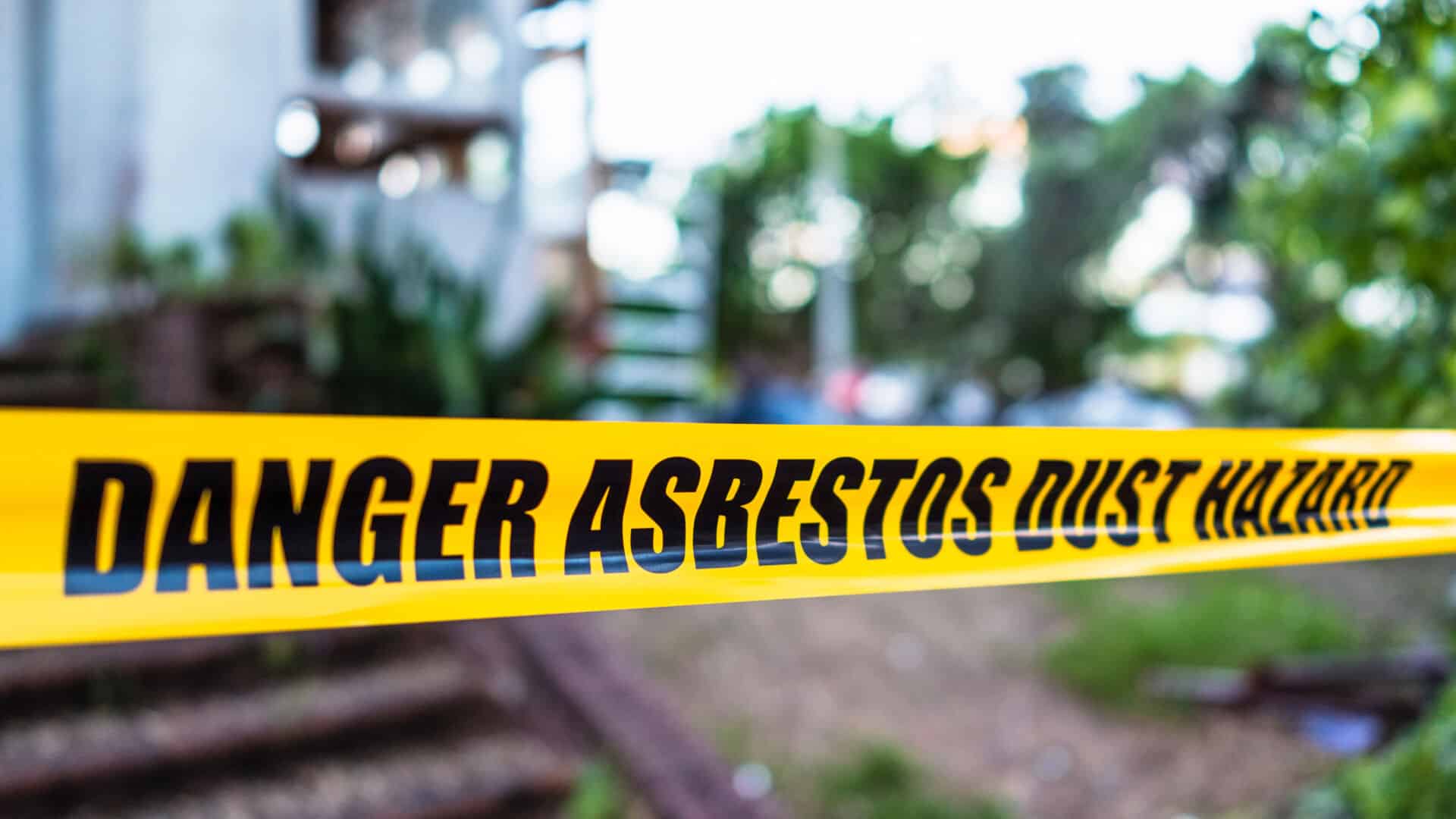
Asbestos exposure is a serious health risk that industries can’t afford to ignore. With the European Union’s new amendment to the directive on asbestos exposure, the stakes have never been higher. If your business involves construction, industrial work, or any other sector where asbestos may be present, you need to understand these changes to protect your workers and stay compliant. This blog post will break down the EU’s new asbestos regulations, explain the risks involved, and show you how your company can navigate these complex requirements.
Asbestos and the EU’s New Directive (EU) 2023/2668
Asbestos, a group of naturally occurring minerals valued for their durability and heat resistance, was once widely used across industries. However, when its fibers are disturbed and become airborne, they can be inhaled, leading to serious diseases such as lung cancer, mesothelioma, and asbestosis. Although banned in the EU since 2005, asbestos still lingers in many older buildings, continuing to pose significant risks to workers, especially those in renovation and demolition.
The latest directive, (EU) 2023/2668, represents a pivotal shift in how the European Union approaches asbestos exposure in the workplace. Building on the foundation laid by the original Asbestos at Work Directive, this amendment integrates the most recent scientific evidence to bolster worker protection. The new regulations aren’t merely adjustments-they signal a comprehensive overhaul to minimize the health risks posed by asbestos in industries where exposure remains a concern.
Lowering the Occupational Exposure Limit (OEL)
The reduction in the Occupational Exposure Limit (OEL) from 0.1 fibers/cm³ to 0.01 fibers/cm³ is a major shift, underscoring the EU’s commitment to worker safety. This tenfold decrease is designed to provide a greater margin of safety. This also recognizes that earlier limits were inadequate in mitigating health risks.. The directive also sets a future target, with the OEL dropping further to 0.002 fibers/cm³ by December 21, 2029, for specific measurement methods. This gradual tightening of limits allows industries time to adapt while ensuring that worker protection continues to improve.
In practical terms, this implies that workplaces must adopt stricter monitoring and control measures. Air quality assessments will become more frequent, and leveraging advanced detection technologies will be crucial. The directive pushes for the adoption of electron microscopy, a more sensitive method for detecting asbestos fibers. This method will become mandatory after a transition period. Ultimately, these changes are expected to significantly reduce the amount of asbestos that workers are exposed to, thereby lowering the risk of asbestos-related diseases.
Enhanced Training Requirements
The directive’s focus on training reflects an understanding that reducing exposure limits alone is not enough. Workers need to be fully equipped with the knowledge and skills necessary to handle asbestos safely. The required training is comprehensive, covering both theoretical aspects, such as understanding the risks and legal requirements, and practical components, including the correct use of protective equipment and safe work practices.
Industries involved in asbestos removal and demolition will see the most significant impact. Workers in these fields are at the highest risk, and the new directive mandates that they receive specialized training. This training includes not only how to minimize exposure during their daily tasks but also how to respond effectively in the event of an asbestos-related incident. By ensuring that all employees receive comprehensive training, the directive aims to prevent accidents and reduce the likelihood of asbestos-related health issues.
Timeline and Geographic Scope
The directive’s implementation is structured to allow industries time to adapt while ensuring worker safety is prioritized. After its publication in the Official Journal of the European Union, the directive will come into effect 20 days later. This will set in motion a two-year period for member states to incorporate its provisions into national law. The transition period for the introduction of electron microscopy, however, extends to six years, reflecting the significant changes required in monitoring practices.
This phased approach is crucial for industries needing to upgrade their systems and train their staff to meet the new standards. By providing a clear timeline, the EU offers a roadmap for businesses to follow, reducing the risk of non-compliance and helping support a smooth transition to the new regulatory environment. As industries begin to implement these changes, they will face several challenges that need to be addressed strategically. Let’s explore the potential hurdles and how businesses can overcome them.
Challenges and Considerations
Meeting the new standards set by Directive (EU) 2023/2668 will undoubtedly present challenges for many businesses. The financial implications alone are significant. Upgrading equipment to meet the lower exposure limits, implementing more frequent and detailed air monitoring, and providing the required training all come with substantial costs. Additionally, smaller businesses may struggle with the logistical challenges of integrating new technologies like electron microscopy, which requires specialized knowledge and infrastructure.
To navigate these challenges, businesses should start by conducting a thorough risk assessment. Identifying areas with the highest risk of asbestos exposure enables targeted interventions, reducing both the risk and the cost of compliance. Early adoption of advanced monitoring technologies, such as electron microscopy, can also give businesses a head start in meeting the new standards.
Investing in comprehensive training programs is another critical strategy. By ensuring all employees are trained in asbestos management, businesses can reduce the risk of exposure and ensure that all safety protocols are followed correctly. Moreover, this training not only protects employees but also helps avoid potential legal and financial penalties associated with non-compliance.
How 3E Can Help
Navigating the complexities of the EU’s new asbestos directive can be daunting, but 3E is here to help your business stay compliant and protect your workers. Our expertise in Environmental, Health, Safety, and Sustainability (EHS&S) provides the tools and support you need to address the challenges posed by these new regulations.
- Enhanced Training and Compliance Monitoring: The new directive emphasizes the need for comprehensive training, particularly for workers involved in asbestos removal and demolition. 3E provides tailored training programs that equip your workforce with the knowledge and skills needed to handle asbestos safely. Our training solutions include both theoretical and practical components, ensuring your employees are well-prepared to minimize exposure risks.
- Regulatory Compliance Services: Understanding the nuances of the new asbestos regulations and ensuring your operations are fully compliant can be challenging. 3E offers expert regulatory consulting services to guide you through these complexities. Additionally, we help you interpret the new requirements, develop compliant safety protocols, and implement effective monitoring strategies that align with the latest scientific standards.
Complying with the EU’s updated asbestos directive is essential for protecting your workers and maintaining your business’s operations. Don’t leave your compliance to chance–partner with 3E to ensure your business is ready to meet these new challenges head-on.
Reach out today to learn how we can support your compliance efforts and help you maintain a safe, sustainable, and compliant workplace.


Insights straight to your inbox
Sign Up NowRelated Resources
News
EU Omnibus Packages Part 5: Omnibus V – Simplifying EU Defense Regulation
News
EU Omnibus Packages Part 4: Omnibus IV — Product Regulation, Simplification, and Compliance
News
Athletes Disqualified at 2026 Winter Olympics Over PFAS
News
EU Omnibus Packages Part 3: Simplifying EU Agricultural Regulation