Related

EU Omnibus Packages Part 5: Omnibus V – Simplifying EU Defense Regulation
EU Omnibus Packages Part 4: Omnibus IV — Product Regulation, Simplification, and Compliance

Athletes Disqualified at 2026 Winter Olympics Over PFAS

EU Omnibus Packages Part 3: Simplifying EU Agricultural Regulation
The past few years have been turbulent ones for many industries, thanks to a global pandemic, an increasingly contentious and complicated regulatory environment, supply chain volatility, global warming and climate uncertainty, complex sustainability mandates, and ambitious (and some would say unobtainable) environmental targets. However, with these challenges also comes great opportunity.
We surveyed analysts, researchers, industry insiders, attorneys, regulators, and others to provide insight on what trends to watch in 2025 and beyond for a series of regulatory and trend look ahead articles you will see over the next several days and weeks. In no particular order, here are 10 of the trending issues we identified, and you will see many of them examined in the other Look Ahead 2025 articles.
1. The Continuing Impact of PFAS: Legislation, Regulation, Litigation
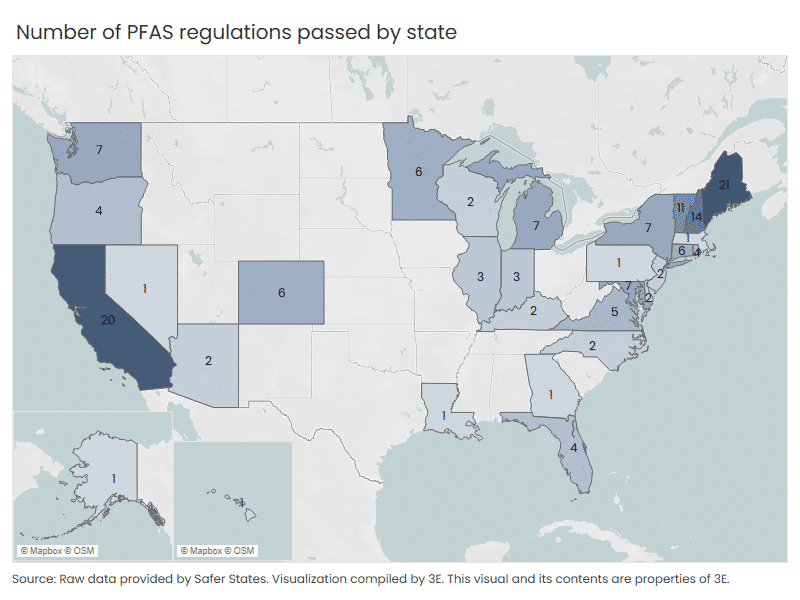
When federal agencies in the U.S. were slow to act on per- and polyfluoroalkyl substances (PFAS), many states stepped in to fill the void, regulating or banning the presence or use of PFAS in a variety of products ranging from firefighting foam to food packaging and hundreds of products in between. According to Safer States, as of August 2024, 30 states adopted 155 policies aimed at regulating or banning PFAS, while two additional states have introduced another 18 policies.
Toward the end of the Biden administration, the U.S. federal government stepped up its regulatory action on PFAS, resulting in the Environmental Protection Agency (EPA) identifying nearly 1,500 PFAS as meeting the criteria to be included under the Toxic Substances Control Act (TSCA). PFAS also have been added to the Toxics Release Inventory (TRI) list, which requires facilities to report to EPA as well as state and local officials any environmental releases, waste transfers, quantities of chemicals on site, the type and location of storage of those chemicals, and their uses. In January 2024, the EPA added seven PFAS to the TRI list, and the National Defense Authorization Act will automatically add an additional nine PFAS to the TRI list for 2025. In October 2024, the EPA proposed adding 16 individual PFAS and 15 PFAS categories to the TRI.
While federal actions regarding PFAS are unclear with the Trump administration, states are expected to continue to weigh their options to limit or ban PFAS.
Terry Wells, associate director of research, 3E, thinks it's unlikely that deregulation efforts in the U.S. will extend to PFAS. “The concept that we have to address PFAS and phase down PFAS and clean up PFAS has got broad support, so I don’t think that regulation of PFAS is going to stop at the federal level,” said Wells.
She said it wouldn’t surprise her if the federal government changed the way it approaches PFAS, noting many of the exposure limits used in the risk assessments that trigger clean-up requirements are very conservative and she anticipates some changes to that process.
“I think that we will see PFAS regulation continue to move forward,” said Wells, “but it might be just a little different than it had been previously, particularly in the risk assessment methodology.”

2. Threat of Tariffs
President Donald Trump has floated imposing a 25% tariff on all Canadian and Mexican imports, resulting in threats of retaliatory tariffs from the leaders of both countries. Trump also proposed an additional 10% tariff on Chinese imports, on top of the tariffs he imposed during his first term, which were continued by the Biden administration.
Ultimately, the stated goal is to re-shore as much manufacturing as possible, unburden U.S. businesses from some of the regulations they consider to be particularly onerous, and level the economic playing field by imposing tariffs on cheaper imports.
American Chemistry Council (ACC) President and CEO Chris Jahn welcomed the new administration, commenting, “The demand for critical chemistries will continue to grow. We stand ready to work with the Trump administration and Congress to drive policies that will bolster more domestic chemical production here in America, thus helping to reduce the U.S. trade deficit, bring stability to the domestic economy and strengthen U.S. competitiveness across global markets.”
Legally, President Trump could enact import taxes as part of an ongoing investigation into China's trade practices, something that President Joe Biden did as well, and he could declare an economic emergency to justify tariffs or seek Congressional approval for tariffs as part of a larger tax bill this year. He also could rely upon the International Emergency Economic Powers Act (IEEPA), which grants the president authority to impose tariffs if there are concerns of a national emergency, something he threatened to do during his last administration.
As noted in a blog post from the Crowell & Moring International Trade Group, “He did not ultimately impose such tariffs, but his prior reliance on IEEPA five years ago may predict similar statutory support in today's climate. Lower courts have given the president broad powers to impose tariffs on issues concerning foreign affairs and trade policy. The Federal Circuit has recently affirmed the Trump administration's Section 232 national security tariffs on steel imports in a number of cases.”
When asked in an interview appearing in BU Today about the economic impact of the proposed tariffs, Mark Williams, a former senior trading floor executive and Federal Bank examiner who is a Questrom School of Business master lecturer in finance, voiced his fears that the latest Trump plan would escalate the trade war. “Such aggressive policies are a bad idea, as they would increase consumer costs, spike inflation, raise interest rates, kill jobs, and reduce economic growth as measured in GDP,” he said.
Will tariffs ultimately benefit U.S. consumers or industries? Only time will tell.
3. Complex Sustainability Requirements in the EU
The EU has positioned itself as a global leader in sustainability by rolling out ambitious legislation. (Some would say “too ambitious” when it comes to scalability.) These laws shape global markets, said Cassidy Spencer, a regulatory research analyst with 3E, as many other regions use EU legislation as a baseline.
“Many companies sell into the EU, and therefore must comply with the benchmark that the EU sets,” said Spencer. It is less of a burden for companies to then comply with similar regulations outside of the EU market, as they are already meeting the more stringent requirements set by the EU.
3E's Wells points out that the EU sustainability requirements go significantly further than monitoring a supply chain for restricted products or ticking off boxes for ESG requirements. “It’s not enough anymore to just ask: 'Are you treating your workers fairly? Are you contributing to deforestation? What's your carbon footprint like?'” said Wells. “The EU is calling for auditing and data. They want to make sure that companies are not just saying they meet requirements and checking off some boxes.”
Calling the EU requirements “pretty heavy in terms of the data that they want from companies to support sustainability claims,” Wells noted that prying information out of some suppliers is nearly impossible, even if it's needed to meet EU requirements. “Some won't share certain information [that] they consider confidential business information [with their supply chains]. So, trying to collect this kind of information is really challenging,” she admitted.
“These regulations have a unified, aggressive goal to address climate change and aid the EU in becoming the first carbon-neutral continent by 2050,” Spencer acknowledged. “With this aggression comes increased complexity, rushed guidance, and stretched resources as companies try their best to comply with so many new pieces of legislation under the EU Green Deal, and many find it difficult to keep these frameworks, directives, and regulations straight.”
On the opposite end of the spectrum is the U.S., which, Spencer pointed out, has offered incentives within frameworks, but lacks mandatory requirements. State-level initiatives tend to lead the way where federal initiatives lack.
The U.S. might be left behind when sustainability initiatives become the norm, but it is important to note, said Spencer, that the less-aggressive U.S. stance might appeal to businesses wary of an increasingly complex regulatory environment. But, she added, “Who is to say which is the better approach in the midst of the climate crisis?”
4. Supply Chain Challenges
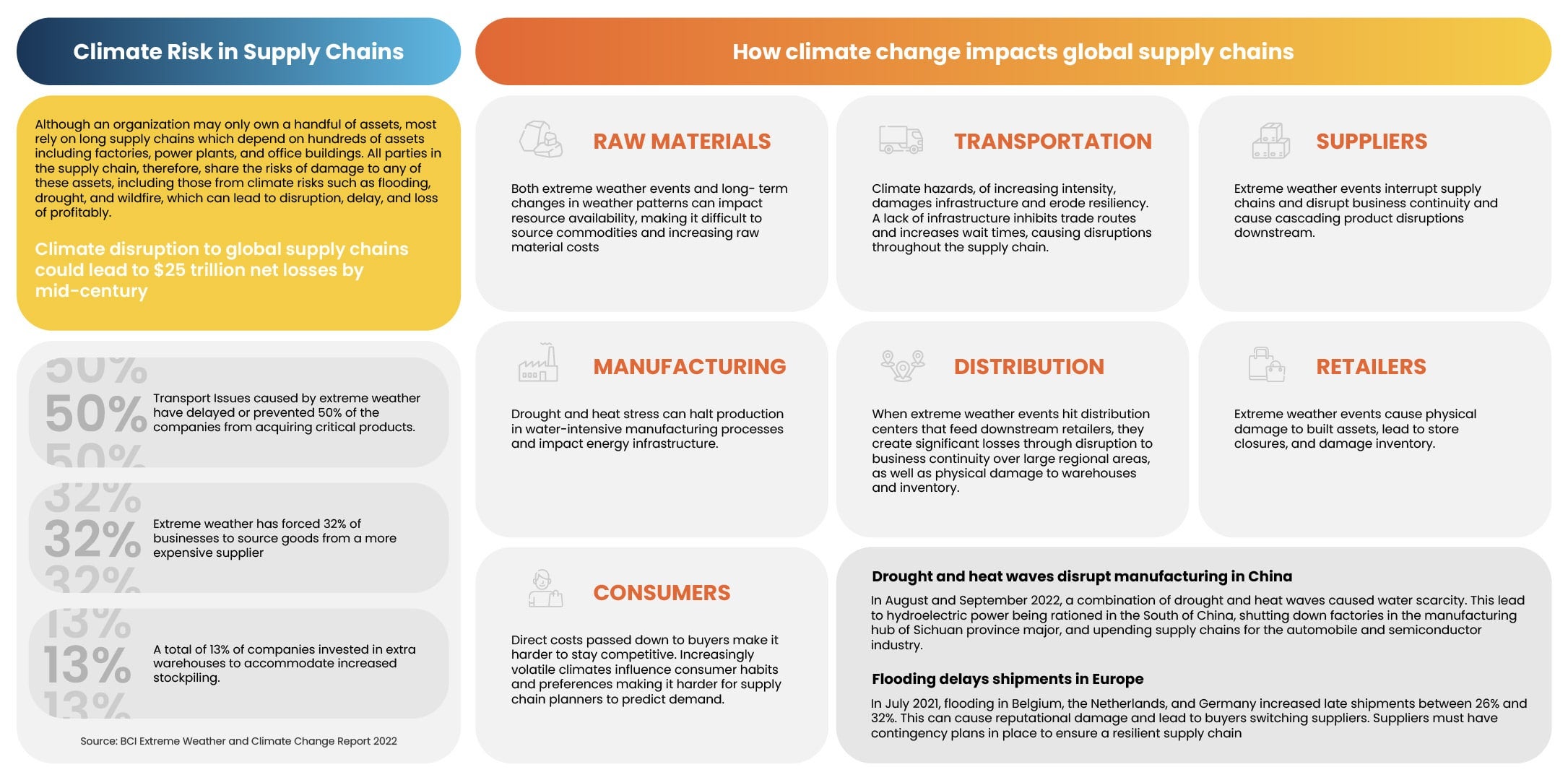
Risks to a global supply chain include geopolitical instability, natural disasters, cyberattacks, economic fluctuations, labor disruptions, trade barriers, supplier disruptions, demand volatility, climate change impacts, and disruptions to logistics networks; essentially, any factor that can disrupt the flow of goods and services across international borders, leading to potential delays, shortages, and price increases.
Environmental risks occurring between 2020 and 2026 are predicted to result in a financial impact of $1.26 trillion for suppliers and likely will result in cost increases for goods and services estimated at $120 billion for major corporate buyers. By mid-century, climate disruption to global supply chains could result in to up to $25 trillion in net losses.
5. Climate Uncertainty
Evidence shows a continuing increase in the frequency and severity of global heatwaves, raising concerns about the future impacts of climate change and the associated socioeconomic costs in terms of both human productivity loss and indirect costs related to disruptions in the supply chain. A recent report by consortium Global Water Monitor revealed that the climate crisis is disrupting Earth’s water cycle, causing devastating floods and droughts.
In 2024 - the hottest year on record - at least 111 countries set records for heatwaves and low frost days. Conversely, precipitation increased in many areas, with extreme water events killing at least 8,700 people, displacing 40 million, and causing over $550 billion in damages.
Most recently, wildfires fueled by drought conditions in Los Angeles County, the most populated county in the U.S., claimed more than two dozen lives to date and caused an estimated $250 billion in damages and economic loss in a county that has a greater population than 43 U.S. states. The gross domestic product of the state of California ranks fifth in the world, behind the U.S., China, Germany, and Japan, and the disruption to the economy, let alone lives, is significant.
6. Plastics/Microplastics/Nanoplastics
Plastic in all shapes and sizes is ubiquitous in our environment and in our bodies. A study published in the journal Ecotoxicology and Environmental Safety in December 2024 linked frequent plastic exposure to an increased risk of cardiovascular diseases (CVD), including congestive heart failure. Initial surveys revealed higher CVD risks in individuals with greater plastic exposure.
(insert graphic Global Plastic Materials production distribution)
Plastic pollution poses a global environmental threat, with as much as 10 million tons of plastic dumped into our oceans every year. The hope was that the November 2024 round of talks held in Busan, South Korea, would result in a legally binding deal on plastics pollution, but so far no agreement has been reached.
“You know when it gets to the point of negotiating a UN treaty that it is an important topic to a lot of nations,” said Rob Campbell, senior chemical business advisor at 3E.
The ACC's Jahn says that U.S. plastic manufacturers “look forward to collaborating to reduce pollution and waste, boost the reuse and recycling of plastics, and to continue the billions of dollars invested by plastic makers to scale up a circular economy.”
7. Extended Producer Responsibility (EPR)
The concept of extended producer responsibility (EPR) has been a trending topic for several years. EPR, which requires manufacturers to take responsibility for their products and packaging through all life cycle stages, is becoming more important as challenges like the growing volume of plastic in the world dominate the news.
This responsibility extends to the post-consumer stage of a product's life cycle, since EPR shifts responsibility for any lasting environmental or health impact (physically and/or economically; fully or partially) back to the producer and away from end users. The goal is to have producers take environmental considerations into account when designing their products.
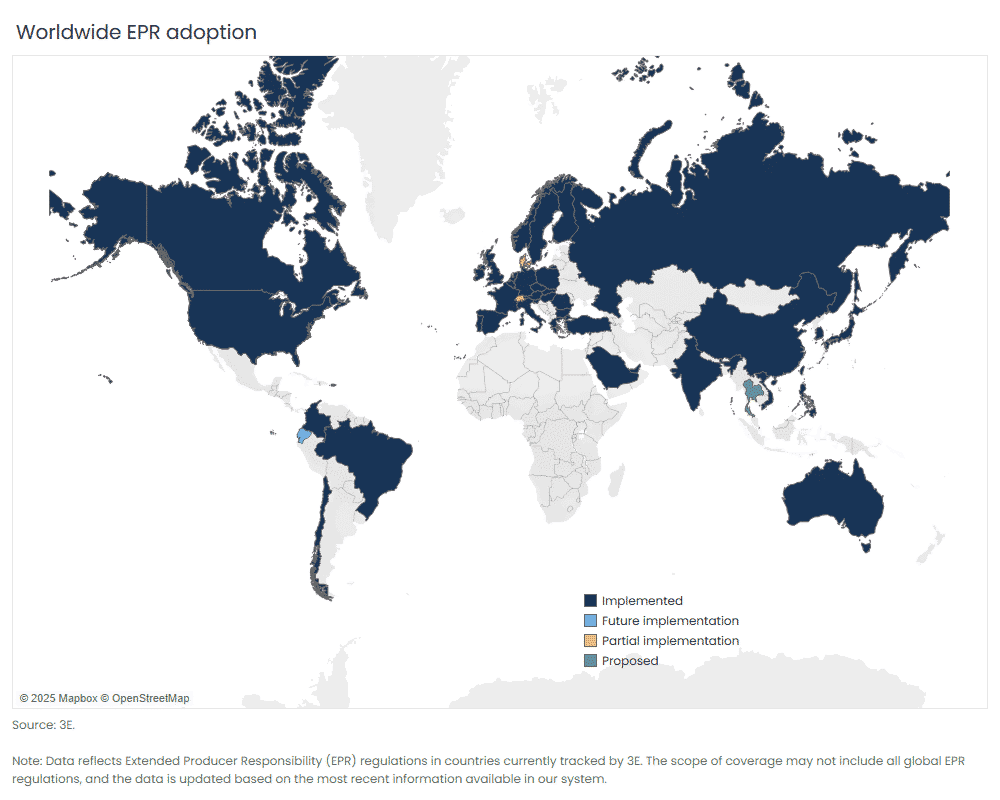
“These laws require [companies] to manage the life cycle of their products, including packaging waste - which can impact operational costs and product design - and navigate successful regulatory compliance and risk management,” said Kristyn Hong, associate director, Regulatory Compliance, 3E.
“Compliance with EPR can also improve a company's sustainability profile, reduce the risk of fines, avoid reputational damage from violation of EPR regulations, and help them stay competitive in a market increasingly driven by environmental regulations and consumer demand for responsible practices,” added Hong.
8. Quick Pivot to Deregulation in the U.S.
President Trump announced to reporters during a press conference on 16 December 2024 that “preparations are underway to slash massive numbers of job-killing regulations - eliminating 10 old regulations for every new one. You put a new regulation on, you have to get rid of 10.”
He had a similar policy during his first term in office, and pundits note that while it didn't appear to have a substantial impact on the number of regulations - it often can take years for new federal regulations to wind their way through the review process - it did slow down the regulatory process.
On his first day in office on 20 January 2025, President Trump signed a number of executive orders that ultimately will result in deregulation for certain industries, including “Declaring a National Energy Emergency,” which will “facilitate the identification, leasing, siting, production, transportation, refining, and generation of domestic energy resources, including, but not limited to, on federal lands.” He targeted some states and areas of the country in his executive orders, such as “Putting People Over Fish: Stopping Radical Environmentalism to Provide Water to Southern California,” and launched the process of withdrawing the U.S. from the Paris Agreement under the United Nations Framework Convention on Climate Change by signing “Putting America First In International Environmental Agreements.”
9. REACH Around the World
In 2007, the Registration, Evaluation, Authorization, and Restriction of Chemicals (REACH) Regulation entered into force in the European Union (EU). REACH requires that all industrial chemicals at more than one ton per annum (tpa) are registered with the European Chemicals Agency (ECHA), which manages the technical and administrative aspects of implementing the EU’s chemicals legislation, conducting targeted checks on the information submitted by manufacturers.
While EU REACH itself only applies to EU member states as well as Iceland, Liechtenstein, and Norway (the European Economic Area), a number of other countries around the world have implemented their own “REACH-like” regulations, meaning a significant number of countries have a chemical permit and licensing, inventory, and/or registration system similar to those found in the REACH model. These countries include the United Kingdom, South Korea, Türkiye, Brazil, Columbia, Chile, Taiwan, Ukraine, and others. Australia, China, Japan, India, the U.S., New Zealand, the Philippines, Switzerland, Canada, and others have chemical management and registration systems that to greater or lesser degrees mimic aspects of REACH.
While the likelihood of deregulation impacting some environmental laws is high in the United States under the Trump administration, REACH and the regulatory environment remain strong influencers in other countries and will impact U.S. companies operating outside of the U.S.
10. Right to Repair
As noted by Vince Beiser in his book, Power Metal: The Race for the Resources: “Sooner or later, all electronic products will stop working. Some part will get fried, some internal system will slip out of whack. Entropy will inevitably collect its due. What do you do then?”
You purchase a new product. For example, researchers estimate that more than 5 billion cell phones a year - nearly 14 million a day - are taken out of service: trashed, recycled, stashed in a drawer.
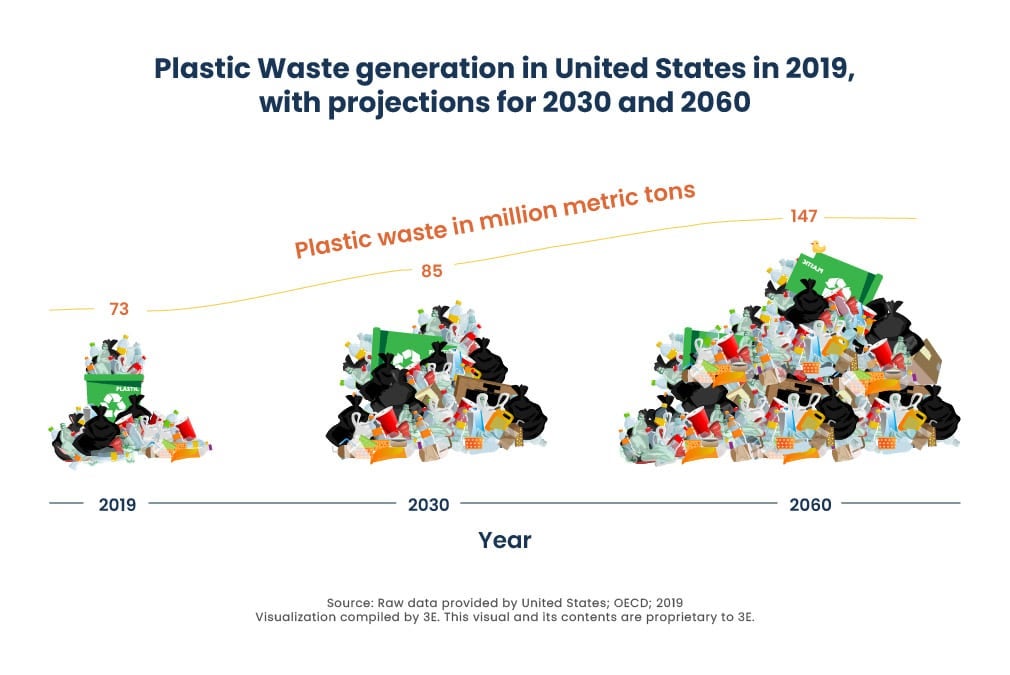
Not only do our discards create mountains of waste, that waste is often toxic. Mercury, lead, arsenic, and cadmium are just a few of the toxins found in personal electronic devices like cell phones. Often, these deprecated devices are shipped to developing countries to be “recycled.” Workers break them apart and salvage parts, releasing toxins into the environment and exposing themselves to serious health hazards in the process.
According to Beiser, “By and large, recycling is the most inefficient, most labor and energy-intensive method of getting further use out of just about any given product.”
Ideally, we'd repair products whenever possible, but manufacturers don't make it easy. They discourage repairs by refusing to sell replacement parts to consumers and declining to offer repair manuals or provide access to any proprietary tools that are required to repair their products. This has spawned a movement called “right to repair.”
In one example cited by Beiser, an engineering student at California Polytechnic State University and his friend spent two days disassembling and reassembling a laptop to solder a single loose wire. There was no repair manual, no list of tools, no software available to assist them, and while they were successful, most consumers are not engineers.
A number of states have jumped into the fight, passing or considering legislation that includes language on what tools, parts, software, or instructions manufacturers should provide to independent repairers or product owners so they may repair the products they own. Although manufacturers have challenged some of the legislation in court, the right to repair movement, like other trends on our list, is not going away.
About the series: With our 2025 Outlook series of articles, we examine the regulations, trends, challenges, and achievements shaping our companies, our industries, and our world in 2025 and beyond.


Insights straight to your inbox
Sign Up NowIndustry Editor
Sandy Smith
Sandy Smith is an award-winning newspaper reporter and business-to-business journalist who has spent 20+ years researching and writing about EHS, regulatory compliance, and risk management and networking with EHS professionals. She is passionate about helping to build and maintain safe workplaces and promote workplace cultures that support EHS, and has been interviewed about workplace safety and risk management by The Wall Street Journal, CNN, and USA Today.

Related Resources
News
EU Omnibus Packages Part 5: Omnibus V – Simplifying EU Defense Regulation
News
EU Omnibus Packages Part 4: Omnibus IV — Product Regulation, Simplification, and Compliance
News
Athletes Disqualified at 2026 Winter Olympics Over PFAS
News
EU Omnibus Packages Part 3: Simplifying EU Agricultural Regulation