Related

EU Omnibus Packages Part 5: Omnibus V – Simplifying EU Defense Regulation
EU Omnibus Packages Part 4: Omnibus IV — Product Regulation, Simplification, and Compliance

Athletes Disqualified at 2026 Winter Olympics Over PFAS

EU Omnibus Packages Part 3: Simplifying EU Agricultural Regulation
https://www.3eco.com/article/eu-publishes-new-batteries-regulation-with-new-chemical-sustainability-and-epr-requirements/As the global focus on sustainability intensifies, Extended Producer Responsibility (EPR) has emerged as a critical regulatory mechanism designed to encourage producers to take greater responsibility for the environmental impact of their products throughout their entire life cycle. EPR regulations place the burden of waste management, recycling, and the safe disposal of hazardous materials on manufacturers, shifting away from traditional models where consumers or municipalities handle post-consumer waste. In the chemical industry, where hazardous substances are prevalent, EPR plays a particularly important role in ensuring that companies manage these substances responsibly. In this article, we will explore how EPR regulations are reshaping chemical safety and what businesses need to do to stay compliant.
What is Extended Producer Responsibility?
Defining Extended Producer Responsibility
EPR is a policy approach that holds producers accountable for the entire lifecycle of their products, especially for managing waste and hazardous substances. The goal of EPR is to encourage producers to minimize waste, use safer materials, and promote recyclability. This shifts the responsibility for end-of-life product management from consumers and governments to the producers, encouraging sustainable product design and reducing the overall environmental footprint.
Relevance in the Chemical Industry
In the context of the chemical industry, EPR laws focus on reducing the harmful effects of chemicals that persist in products beyond their intended use. This includes managing Substances of Concern, hazardous waste, and the safe recycling or disposal of products containing harmful chemicals.
How EPR Influences Chemical Safety
1. Promoting Safer Product Design
- EPR regulations incentivize companies to design products that are less hazardous and more recyclable. This push towards green chemistry means that companies are encouraged to seek alternatives to dangerous chemicals early in the product development process. For instance, manufacturers may replace hazardous flame retardants with safer alternatives that have a lower environmental impact.
By focusing on reducing or eliminating Substances of Very High Concern (SVHCs) from the outset, companies can avoid costly disposal and recycling processes later. Additionally, producers are driven to consider the environmental and safety impacts of their product packaging, leading to the development of eco-friendly materials that are safer for both consumers and the environment.
2. Enhancing Waste Management and Disposal Practices
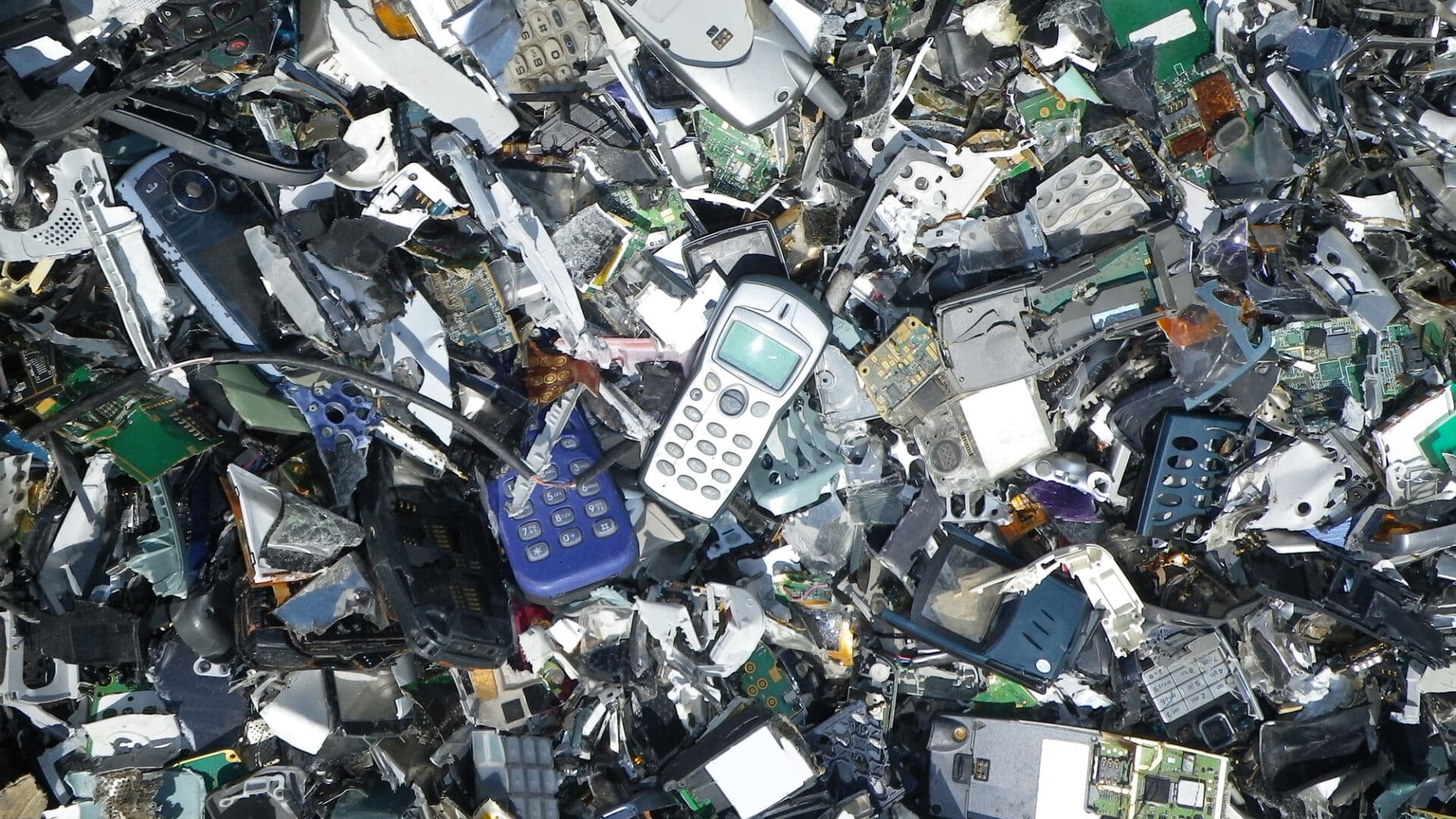
- Under EPR, companies are responsible for ensuring that the products they place on the market are properly recycled or disposed of once they reach the end of their life cycle. This is particularly crucial for chemical products and hazardous waste. For example, batteries, paints, and electronics that contain harmful substances must be collected, recycled, or disposed of in a way that minimizes environmental damage.
EPR systems require companies to set up or participate in take-back programs, ensuring that consumers can easily return products containing hazardous chemicals for safe disposal or recycling. This minimizes the risk of hazardous chemicals entering landfills or water systems, reducing the potential for environmental contamination.
3. Facilitating Circular Economy Practices
- EPR supports the transition to a circular economy, where products and materials are continuously reused, recycled, or repurposed. In chemical safety, this means that companies are encouraged to create products that can be easily disassembled and recycled without releasing hazardous substances into the environment.
The implementation of EPR also drives innovation in material recovery processes. For example, new technologies for the safe extraction and recycling of chemicals from end-of-life products are emerging, enabling companies to recover valuable materials while ensuring that hazardous chemicals are contained and neutralized.
4. Navigating Global Regulatory Landscapes
- EPR is gaining momentum worldwide, with regions like the European Union leading the charge through directives such as the Waste Electrical and Electronic Equipment (WEEE) Directive and the Batteries Directive. Many of these regulations focus on managing hazardous substances and ensuring proper disposal.
For global companies, complying with EPR regulations means navigating various legal frameworks in different countries. The complexity arises because each country or region may have different rules about which products are covered, what substances need special handling, and how producers must contribute to recycling programs. Companies must remain vigilant about regulatory updates and ensure they comply with the most stringent requirements to avoid penalties.
Challenges Facing the Chemical Industry
While EPR offers significant environmental benefits, it also poses challenges for chemical companies:
- Cost Burden: Implementing take-back programs, recycling hazardous materials, and redesigning products to reduce toxicity can be costly. Many businesses must invest in new technologies, processes, and infrastructure to meet EPR requirements.
- Complexity of Compliance: Companies that operate globally face a patchwork of EPR regulations that vary by region. Managing compliance across multiple jurisdictions can be time-consuming and require significant administrative resources.
- Tracking and Reporting: EPR requires companies to maintain detailed records of the quantities of products sold, collected, and recycled. Tracking hazardous chemicals through their life cycle and ensuring accurate reporting adds another layer of complexity to compliance efforts.
Strategies for EPR Compliance in the Chemical Industry
1. Invest in Sustainable Product Design: One of the best ways to reduce the burden of EPR is to design products that are safer and easier to recycle. By incorporating eco-friendly materials and reducing the use of hazardous substances, companies can minimize the costs and challenges associated with post-consumer waste management.
2. Build Partnerships with Waste Management Experts: Building strong partnerships with certified recycling and waste management companies can help producers meet their EPR obligations. By outsourcing certain aspects of waste management, companies can focus on their core operations while ensuring that hazardous chemicals are handled responsibly.
3. Leverage Technology for Compliance: Compliance with EPR regulations requires detailed tracking and reporting. Many companies are turning to software solutions that automate the process of monitoring product life cycles, from production to disposal. These tools can help companies stay compliant, streamline reporting, and reduce the risk of fines or penalties.
The Future of EPR and Chemical Safety
EPR is a powerful tool for promoting chemical safety and environmental responsibility. By holding producers accountable for the entire lifecycle of their products, EPR encourages the reduction of hazardous substances and supports the transition to a circular economy. While EPR regulations can be complex and costly, companies that invest in sustainable product design, efficient waste management, and compliance technology will be better positioned to succeed in the evolving regulatory landscape.
To learn more about how 3E can help navigate EPR regulations, please visit this page.


Insights straight to your inbox
Sign Up NowManaging Director, Chemical & Workplace Safety at 3E
Alan L. Johnson
Alan leads the strategic vision and execution of 3E’s global chemical and workplace safety product portfolio, ensuring leadership in the space. He is responsible for driving product innovation, expanding market reach, and aligning with regulatory requirements, all while delivering exceptional value to 3E’s clients worldwide.

Related Resources
News
EU Omnibus Packages Part 5: Omnibus V – Simplifying EU Defense Regulation
News
EU Omnibus Packages Part 4: Omnibus IV — Product Regulation, Simplification, and Compliance
News
Athletes Disqualified at 2026 Winter Olympics Over PFAS
News
EU Omnibus Packages Part 3: Simplifying EU Agricultural Regulation