Related

EU Omnibus Packages Part 5: Omnibus V – Simplifying EU Defense Regulation
EU Omnibus Packages Part 4: Omnibus IV — Product Regulation, Simplification, and Compliance

Athletes Disqualified at 2026 Winter Olympics Over PFAS

EU Omnibus Packages Part 3: Simplifying EU Agricultural Regulation
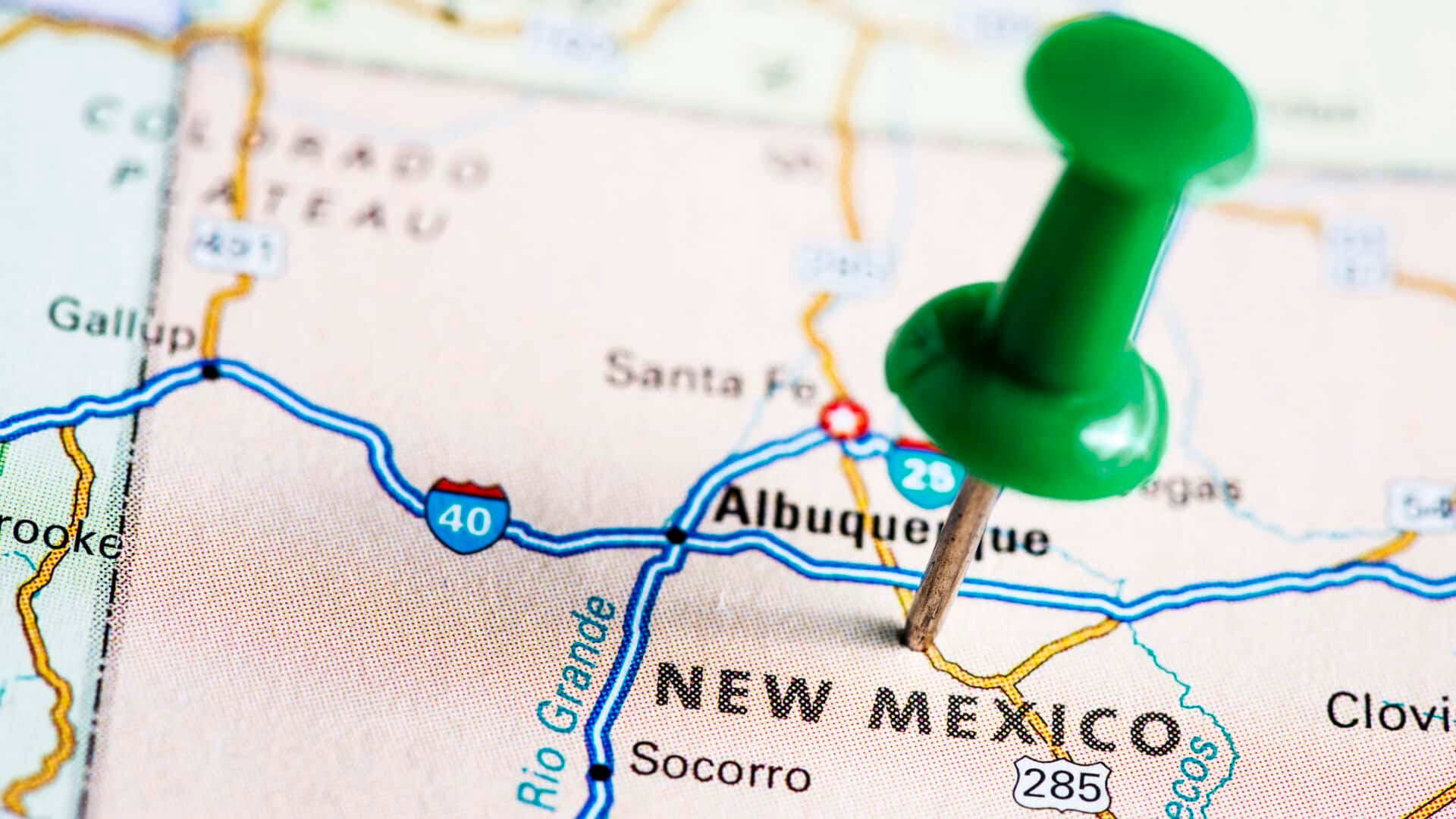
In the evening of 8 April 2025, New Mexico Governor Michelle Lujan Grisham signed into law the first of two bills regulating per- and polyfluoroalkyl substances (PFAS) at the state level in 2025. The Per- and Poly-Fluoroalkyl Substances Protection Act (HB 212) and the “Hazardous Waste Constituent” Definition (HB140) were passed in March 2025 by both bodies of the state legislature with overwhelming support and represent the first major regulatory step in New Mexico to combat PFAS at the state level.
PFAS, also known as “forever chemicals” due to their widespread use and propensity to bioaccumulate, have been detected in plants and wildlife near New Mexico's Lake Holloman at some of the highest levels worldwide. PFAS have been linked to several serious health concerns, from reproductive effects to increased risk of multiple forms of cancer. Because of these findings, experts in New Mexico have long been concerned about the amount of PFAS in the environment. The passage of HB 212 and HB 140 are the culmination of some of these concerns.
“Our PFAS legislation protects public health and shifts cleanup costs from taxpayers to polluters, preventing expensive remediation in the future while exempting critical industrial applications,” said Lujan Grisham. “These bills ensure clean water for generations while strategically positioning New Mexico for sustainable economic growth in key industries across our state.”

The PFAS Protection Act
On 29 January 2025, HB 212 was introduced to the New Mexico state legislature, where it would eventually pass through the State House of Representatives by a vote of 62–1 and the State Senate by 37–3. The law seeks to regulate PFAS in consumer products by phasing out and prohibiting the sale of products with intentionally added PFAS in New Mexico and will require products that are not phased out to include labels educating the public on their included PFAS. This bill makes New Mexico only the third state to ban intentionally added PFAS in all categories of consumer products, following Maine and Minnesota.
“PFAS, which are basically 'forever chemicals,' are a serious concern to residents, livestock, and the environment. This law is significant, not just for New Mexicans, but for the country, as it provides a framework for other states to enact their own laws concerning forever chemicals,” Representative Kathleen Cates, one of the co-sponsors of HB 212, told 3E.
The first wave of bans will go into effect on 1 January 2027 for products meant for children, cookware food packaging, and firefighting foam, with a full ban on non-exempt products by 2032. The exemptions included in the bill are for what governor Grisham says are “critical applications” in medical, electronic, and manufacturing sectors. Notably, these exemptions also cover products with intentionally added fluoropolymers, PFAS that are typically used in nonstick cookware.
This exemption comes after a coalition of more than 40 industry groups sent a letter to the New Mexico state legislature opposing HB 212 when it was first introduced. One of the members of the coalition, the Cookware Sustainability Alliance (CSA), sued Minnesota over Amara's Law, which went into effect on 1 January 2025. CSA called the law unconstitutional and unenforceable, due to it allegedly discriminating against out-of-state commerce and violating the Commerce Clause of the constitution and sought a preliminary injunction to halt the enforcement of the law while the lawsuit went forward. On 25 February 2025, the United States District Court for the District of Minnesota denied the request, stating that CSA would be unlikely to succeed on the merits of its argument. Despite this setback, the organization was seemingly successful in carving out its exemption in New Mexico's HB 212.
“Hazardous Waste Constituent” Definition
On 28 January 2025, HB 140 was introduced to the New Mexico state legislature, where it would go on to pass in the New Mexico House of Representatives by a vote of 63–0 and the New Mexico State Senate by 35–7. The law seeks to clarify the definition of firefighting foam containing PFAS, known as aqueous film forming foam (AFFF), as hazardous waste. This new definition allows the state to regulate the foam when the substance is not federally listed.
The New Mexico Environment Department found that the elevated levels of PFAS contamination found in the wildlife and plants around Lake Holloman are due to AFFF contamination from the nearby Holloman Air Force Base. The department also states that the groundwater of the city of Clovis and rural Curry County was contaminated by PFAS pollution caused by Cannon Air Force Base, which led to the euthanizing of 3,600 dairy cows that were poisoned after drinking the contaminated water. The state is involved in two lawsuits against the Department of Defense (DOD) over this contamination. The DOD has challenged these lawsuits, claiming that New Mexico does not have the legal authority to regulate PFAS as a hazardous waste. HB 140 could help the state get around that challenge.
On signing the bill, Lujan Grisham emphasized how important it is to clarify the definition of AFFF as hazardous, stating that the classification is “critical” for holding polluters accountable and protecting public health by limiting the continued use of AFFF and other fire retardants. Meanwhile, organizations in the waste industry are closely watching state-level PFAS cleanup regulations like HB 140 to assess their potential impact on landfill-bound materials, viewing these mandates as a potential business opportunity. One such company, Clean Harbors, is already in talks with the DOD, which is seeking to evaluate whether high-temperature incineration can help the department deal with PFAS destruction and avoid future regulatory challenges.
“I'm grateful that House Bill 140 has been signed into law. From La Cienega and La Cieneguilla here in northern New Mexico, to the Air Force bases in Otero county down south and Clovis out east, our state has some of the highest levels of PFAS contamination in the world,” State Representative Christine Chandler, one of the co-sponsors of HB 140, told 3E. “This vital legislation improves the state's regulatory authority, so we can rightly hold the federal government accountable for the serious health and economic consequences caused by their use of these hazardous chemicals.”
———————
Editor's Note: 3E is expanding news coverage to provide customers with insights into topics that enable a safer, more sustainable world by protecting people, safeguarding products, and helping businesses grow. Breaking News articles keep you up-to-date with news as it's happening.
About the Contributor: Dolan Harrington is a Data Journalist at 3E. His analytics career has spanned organizations including Delta Air Lines, Pendo (a unicorn product analytics startup), and S&P Global. He has a master's degree in business analytics from William & Mary.


Insights straight to your inbox
Sign Up NowReporter
Christopher Bornmann
Christopher Bornmann is the State Regulatory and Legal Action Reporter for 3E based in Washington, D.C. He covers the latest legal developments and updates in environmental, health, and safety (EHS) that impact the U.S. at the state level. He has experience working for the U.S. House of Representatives and national advocacy groups.

Related Resources
News
EU Omnibus Packages Part 5: Omnibus V – Simplifying EU Defense Regulation
News
EU Omnibus Packages Part 4: Omnibus IV — Product Regulation, Simplification, and Compliance
News
Athletes Disqualified at 2026 Winter Olympics Over PFAS
News
EU Omnibus Packages Part 3: Simplifying EU Agricultural Regulation