Related

EU Omnibus Packages Part 5: Omnibus V – Simplifying EU Defense Regulation
EU Omnibus Packages Part 4: Omnibus IV — Product Regulation, Simplification, and Compliance

Athletes Disqualified at 2026 Winter Olympics Over PFAS

EU Omnibus Packages Part 3: Simplifying EU Agricultural Regulation
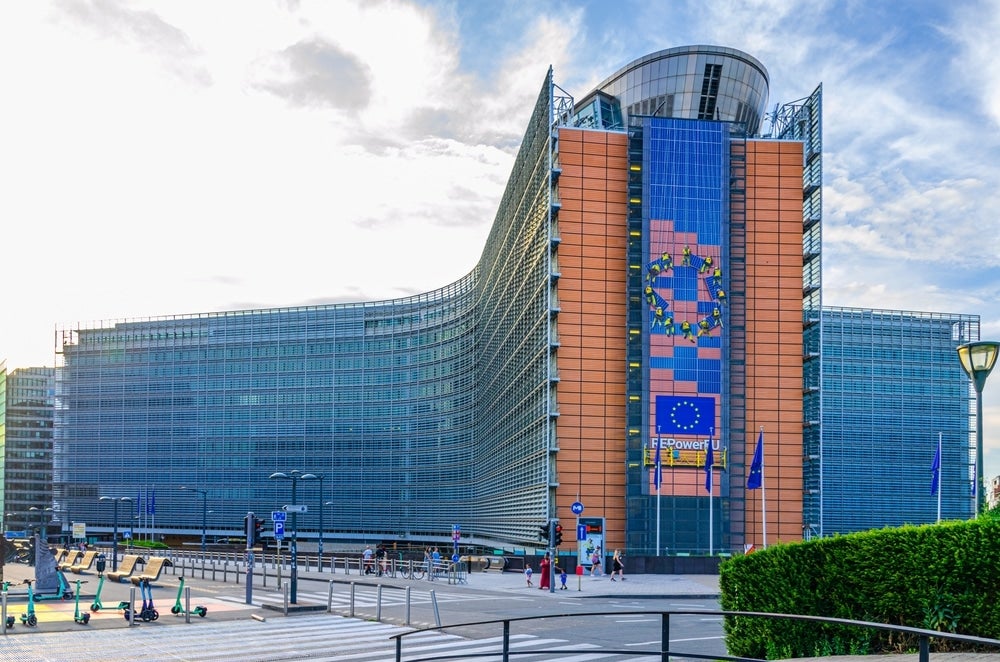
European Ombudsman Teresa Anjinho has opened an inquiry into a complaint that the European Commission (EC) failed to comply with its Better Regulations Guidelines in its proposal to amend the Corporate Sustainability Reporting Directive (CSRD) and the Corporate Sustainability Due Diligence Directive (CSDDD) as part of the Omnibus simplification package.
The inquiry follows the submission of a complaint to the ombudsman from eight non-governmental organizations (NGOs) “condemning the undemocratic, untransparent, and rushed way in which the European Commission has developed the Omnibus proposal.”
ClientEarth, Anti-Slavery International, Clean Clothes Campaign, European Coalition for Corporate Justice, Friends of the Earth Europe, Global Witness, Notre Affaire À Tous, and T&E are the signatories of the formal complaint.
“The Omnibus proposal was made without any public consultation, sidelining civil society, with a lack of evidence or environmental and social impact assessments, and with a primary focus on narrow industry interests,” said the signatories in a press release. “This reckless move not only weakens sustainability rules but also damages public trust in the EU's democratic foundations.”
NGOs Allege Improper Omnibus Process
The complaint alleges three issues. First, the commission failed to gather evidence on the environmental and social impacts of amending the regulations. Second, the commission favored closed-door meetings with industry over transparent consultation with all stakeholders. Third, by failing to assess whether its proposal aligns with the EU climate-neutrality target, the commission has breached its obligations under the European Climate Law.
In an analysis provided in an article on LinkedIn, Andreas Rasche, professor and associate dean at the Copenhagen Business School, argues that the inquiry is fully warranted.
Rasche pointed out that the commission has claimed that while it did not conduct an impact assessment on the revisions to CSRD and CSDDD, it had done earlier impact assessments during its development of the revisions, and it considered those insights in the Omnibus proposal, thereby creating the curious phenomenon of a single impact assessment supporting both the development and the rollback of the directives.
Rasche further highlighted that there is no data to support the Omnibus because the CSDDD has not yet been implemented, and the CSRD has only very limited implementation. As a result, neither CSRD nor CSDDD has provided enough data to support the decision to simplify them. The commission has stated that it received considerable feedback from stakeholders while making its decision. However, as Rasche pointed out, without proper data to support those claims, such feedback is opinion at best.
“The inquiry opened by the EU Ombudswoman shows that there is a need to investigate whether the commission's proposal is sufficiently justified and whether stakeholders were appropriately consulted,” said Rasche in a statement to 3E. “When the commission presented its proposal on February 26, many already argued that the process was unnecessarily rushed and may not align fully with the EU's own Better Regulation Guidelines. The investigation by the EU Ombudswoman shows that these claims were at least not completely unjustified but that they require an in-depth assessment.”
What Happens Next?
In her notice to the commission, Anjinho stressed that the Better Regulation Guidelines are critical elements of preparing proposals and managing existing evaluation, and that any departure from the guidelines must be justified to ensure EU citizens do not question the commission’s commitment to a transparent, inclusive, and evidence-based legal process. “This is even more so when the commission does not comply with legal requirements, such as conducting a climate consistency assessment, when proposing legislation,” she said.
Anjinho has requested a meeting with the commission to discuss several important points, including:
- Why did the commission not carry out a public consultation on the proposal?
- Who was present at meetings with companies and stakeholders in February 2025?
- Why did the commission not carry out a new impact assessment?
- Did the commission carry out a climate-consistency assessment?
She has also requested documents related to the above points by June 6, 2025, at the latest, with the meeting to take place before June 18.
Rasche believes that while the EU ombudsman does not have legal power, her involvement could send a strong symbolic message.
“It can potentially put pressure on the parliament to ensure that the further process contains more stakeholder consultations and more in-depth reflections on possible impacts, both positive and negative,” said Rasche.
However, Jon McGowan, a Florida-based attorney working on global sustainability law, sees the inquiry as a futile attempt to stall the inevitable progress of the Omnibus.
“I find it difficult to believe that the Ombudsman's investigation will impact the Omnibus process,” said McGowan. “The commission, council, and parliament are moving quickly to approve amendments by October. The investigation process may not even be complete by the time the Omnibus is adopted. These types of complaints are chasing moral victories, not actual wins.”
According to McGowan, the real question is not whether the Omnibus can be stopped, but what it will look like when it finally passes.
“Some form of the Omnibus is going to be adopted,” said McGowan. “These changes will happen. The debate is not if, but by how much the EU will reduce reporting requirements.”


Insights straight to your inbox
Sign Up NowReporter
Graham Freeman
Graham Freeman is based in Toronto, where he covers ESG and sustainability news. Graham has been a content and technical writer in the technology industry for more than a decade. He has also worked as a professor and lecturer at Queen’s University, the University of Toronto, and George Brown College.

Related Resources
News
EU Omnibus Packages Part 5: Omnibus V – Simplifying EU Defense Regulation
News
EU Omnibus Packages Part 4: Omnibus IV — Product Regulation, Simplification, and Compliance
News
Athletes Disqualified at 2026 Winter Olympics Over PFAS
News
EU Omnibus Packages Part 3: Simplifying EU Agricultural Regulation