Related

EU Omnibus Packages Part 5: Omnibus V – Simplifying EU Defense Regulation

EU Omnibus Packages Part 4: Omnibus IV — Product Regulation, Simplification, and Compliance

Athletes Disqualified at 2026 Winter Olympics Over PFAS

EU Omnibus Packages Part 3: Simplifying EU Agricultural Regulation
Federal policies that once played a critical role in promoting electric vehicle (EV) adoption and reducing emissions in the U.S. are now being unraveled under President Donald Trump.
In mid-June, the president signed congressional resolutions repealing U.S. Environmental Protection Agency (EPA) waivers for the Advanced Clean Cars II mandate, ending emissions restrictions in 12 states. Meanwhile, H.R. 1 - the federal funding bill - threatens to dismantle a wide range of incentives supporting EV production, sales, and infrastructure. Those policy changes include:
- Elimination of EV tax credits: The $7,500 federal tax credit for new EV purchases is set to end for most vehicles placed in service after December 31, 2025. Additionally, incentives for used EVs, commercial EVs, and home charging equipment are also being phased out.
- Rollback of emissions standards: The Trump administration has revoked the Biden-era goal of having electric vehicles comprise 50% of new car sales by 2030.
- Suspension of EV charging infrastructure funding: Federal funding for the development of new EV charging stations has been paused. This includes halting the distribution of billions of dollars allocated under the Bipartisan Infrastructure Law (BIL) and the Inflation Reduction Act (IRA) aimed at expanding the national EV charging network.
- Revocation of California's emissions waiver: The administration has moved to revoke California's waiver under the Clean Air Act. The waiver allowed the state to set stricter vehicle emissions standards than federal regulations. This action affects not only California but also other states that have adopted its standards.
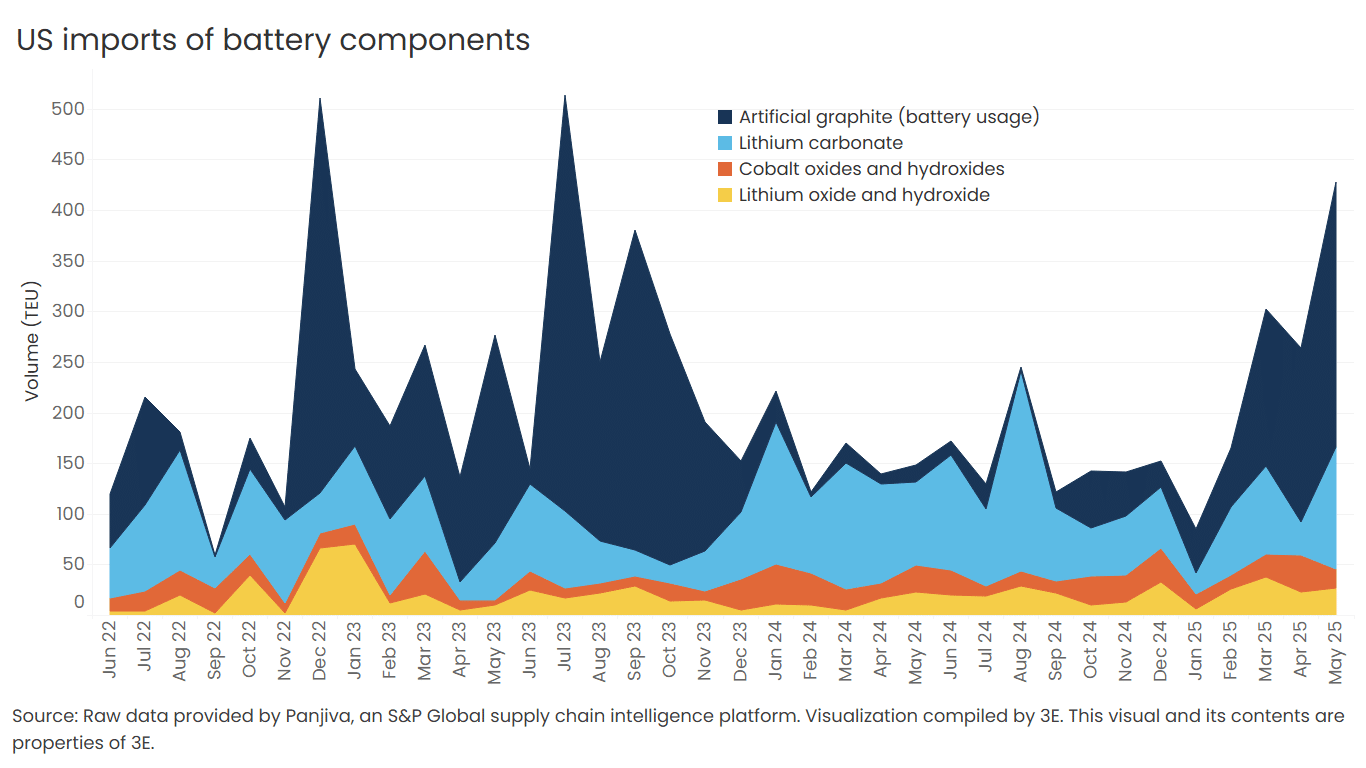
Ongoing trade uncertainty has also disrupted the automotive industry. While the EV supply chain is exposed to automotive trade turbulence, EV batteries have their own supply chain and are exposed to their own supply chain vulnerabilities. The batteries themselves, many of which traditionally were imported to the U.S. from China, continue to face hefty tariffs. Tariffs were also placed on battery components, making imports and production more expensive for manufacturers.
Chemistry and EVs
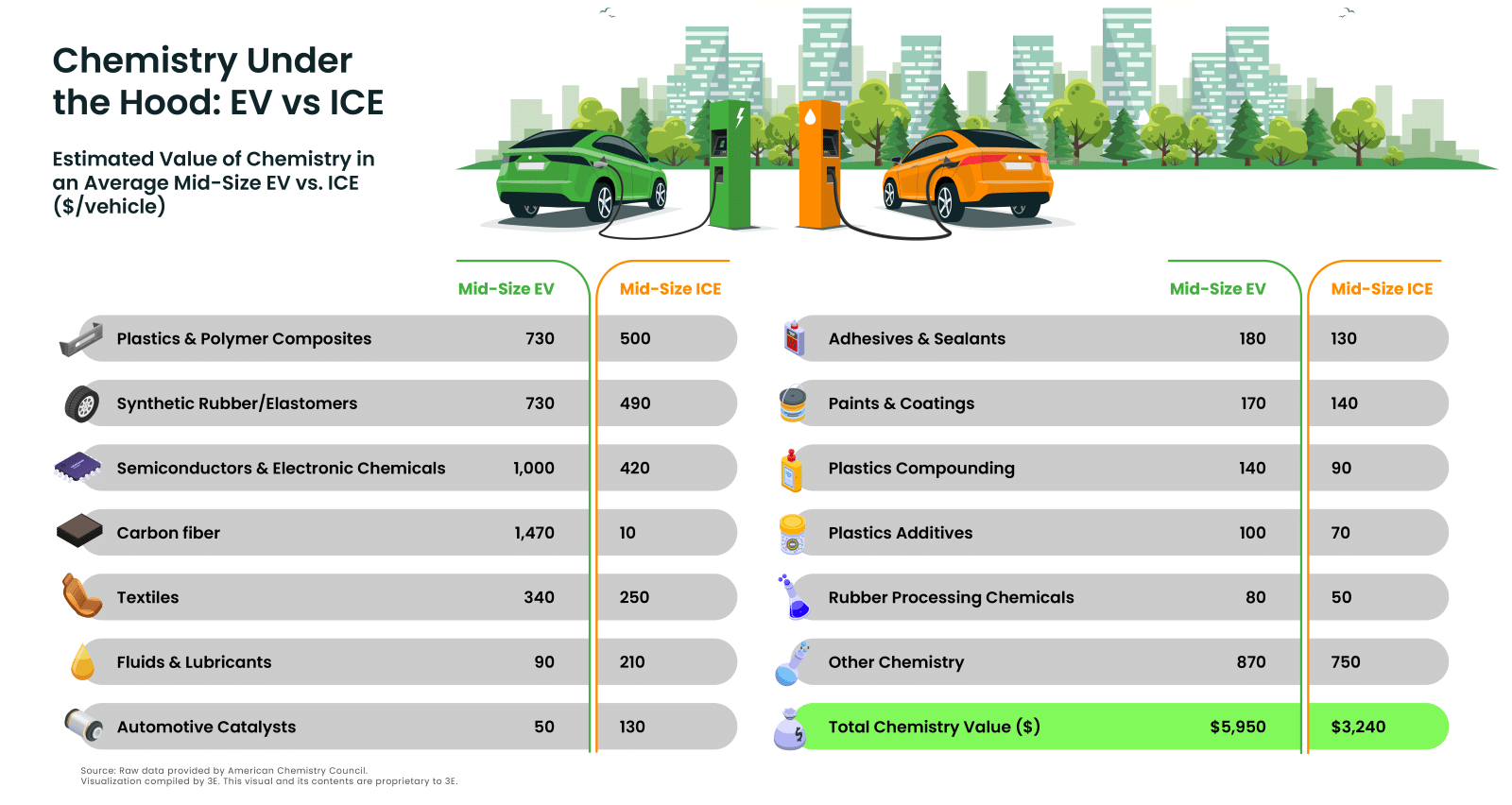
The chemical and automotive industries are highly integrated, and EVs require more advanced and diverse materials than traditional internal combustion engine (ICE) vehicles. Their manufacture requires significant increases in plastics, composites, synthetic rubber, and specialized chemicals. For example, the American Chemistry Council (ACC) reports that an average mid-size EV contains 450 pounds of plastics and composites - 140 pounds more than a similar ICE vehicle - as well as 250 pounds of synthetic rubber and elastomers, 85 pounds more than the ICE counterpart. In addition, EVs rely heavily on semiconductors and electronic chemicals to manage battery systems and motor control, significantly increasing demand for these components.
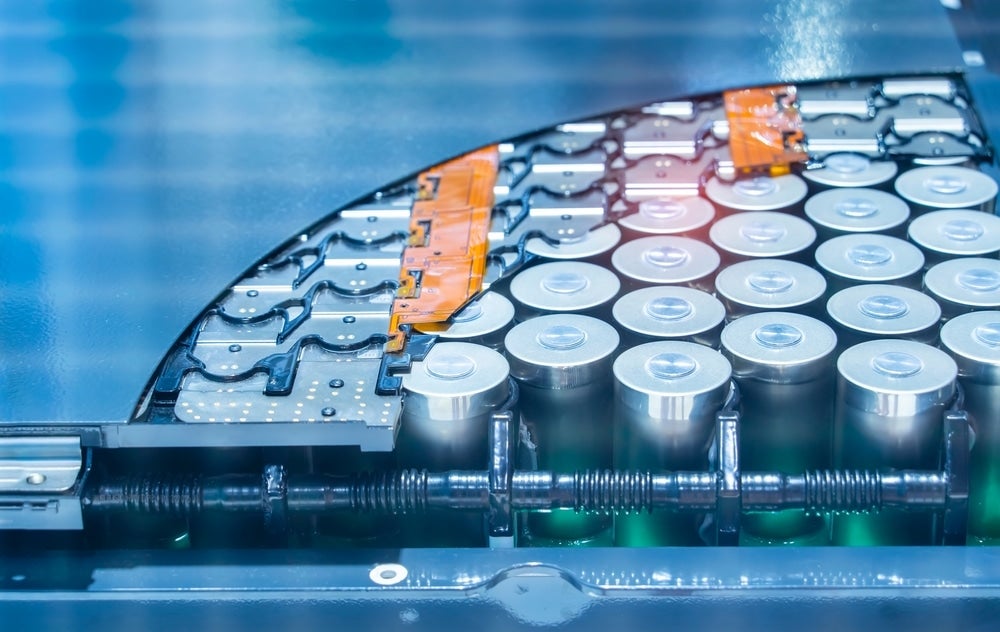
One of the largest material differences between EVs and ICE vehicles is the battery, which can account for up to 25% of an EV's total weight compared to less than 2% in ICE vehicles. EV batteries are composed of numerous individual cells and utilize various chemistries, including lithium-ion, nickel-metal hydride, and lead-acid, each requiring different combinations of metals like lithium, nickel, cobalt, and manganese - components not necessary in ICE vehicles. EV battery space is a frontier of innovation currently led by the chemical industry, as finding lightweight solutions that increase battery efficiency is consistently highlighted among industry experts as a key trend.
Beyond batteries, EVs use far more copper and magnesium than ICE vehicles. A mid-size EV may contain more than 200 pounds of copper compared to 35 pounds in ICE vehicles. Magnesium, valued for its light weight, is increasingly used in both EV battery components and vehicle frames. EVs also use significantly more carbon fiber, which is stronger and lighter than steel. It is commonly used in EV chassis and body panels, often combined with plastic resins to create durable and moldable carbon fiber composites. These materials not only contribute to vehicle strength and efficiency but also significantly increase manufacturing costs.
Supply Chain Implications of Policy and Trade Uncertainty
The uncertain and shifting landscape in policy and trade is creating challenges for manufacturers upstream of the EV supply chain. The International Council on Transportation (ICCT) estimates that through IRA repeals, 130,000 American jobs will be lost directly in the automotive sector, and 310,000 indirectly related jobs will be lost by 2030.
“If you pull away the policies like the 45X credit, fuel economy standards, or consumer EV tax credits, you're lessening demand, not only for the product, but for the upstream that feeds the product,” said Corey Cantor, research director at the Zero Emission Transportation Association (ZETA).
Trade and regulatory uncertainty are already having an impact on domestic EV supply chains. Most notably, AESC paused construction on a $1.6 billion EV battery plant in Florence, S.C., in early June. The Japanese company cited “policy and market uncertainty” as the reasons for the pause. The company has since resumed construction, but it is not the only example of cautious closures in the EV supply chain. Aspen Aerogels cancelled its plans to build a multi-million dollar factory meant to produce thermal barriers for EV batteries in Statesboro, Ga., to shift manufacturing to Mexico and China. Freyr Battery cancelled plans to build a $2.6 billion plant outside of Atlanta, and KORE Power abandoned its plans to move forward with a $1.2 billion lithium-ion battery factory in Buckeye, Ariz.
“It's a rational move from an industry standpoint, because you don't know what the marketplace is going to look like; you don't know what the fuel economy standards are going to look like,” Cantor said. “You don't know if your production economically pencils out in the same way.”
He said that with the uncertainties in EV policy and trade, companies have to reevaluate where the most efficient place to build their plants might be. Cantor said that while in some cases it might still make sense to build in the U.S., “you're looking at a market that won't grow as quickly as you expect, and policies and incentives that were promised to you are no longer there. You might rethink the size of your factory, or you might change your investment plans moving forward.”
While the ACC does not have a specific stance on EV policy, ACC spokesperson Scott Jenson told 3E that the advocacy group is asking Congress to make targeted improvements to the Toxic Substances Control Act (TSCA) and pass the Plastics Recycling Innovation Act.
“To support U.S. vehicle manufacturing we need a regulatory environment that will allow American chemical manufacturers to provide innovative solutions,” Jenson said.
EVs Are Still the Future
Even with the changes to EV policy, EVs are still widely recognized as the future of the automotive industry - their integration might just move at a slower pace in the U.S. than originally anticipated. A policy brief from Harvard exploring the impacts of President Trump's EV policy overhaul found that even with policy changes, the share of EVs among light-duty vehicle sales still rises over time.
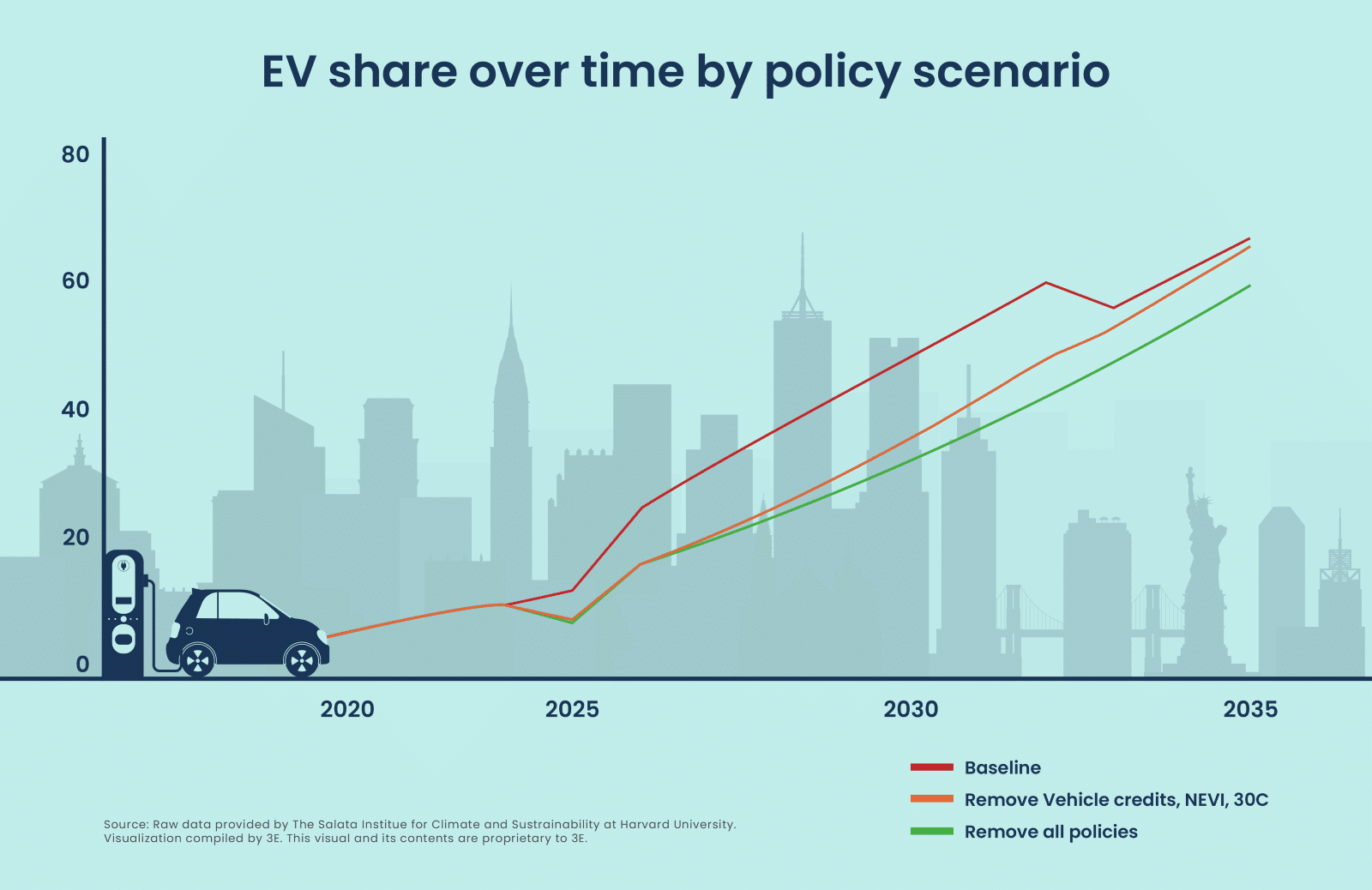
The study found that eliminating EV tax credits has the largest individual impact on electric vehicle adoption, reducing the 2030 EV share of new vehicle sales by 6 percentage points over 2026–2035. Removing all EV-related support under the IRA and BIL, along with California's Clean Air Act waiver, would reduce EV sales by 16 points.
Although Tesla's sales took a significant plunge in the first quarter of 2025, other automakers saw an increase in EV sales, including U.S. all-electric manufacturer Rivian. BMW's fully electric vehicle sales surged by 32.4%, Volkswagen saw a 64% order intake increase for battery electric vehicles in Europe, and General Motors reported higher YoY sales in EVs. Outside of the U.S., the popularity of the electric vehicle continues to rise and present market opportunities for industries upstream of EV manufacturing.
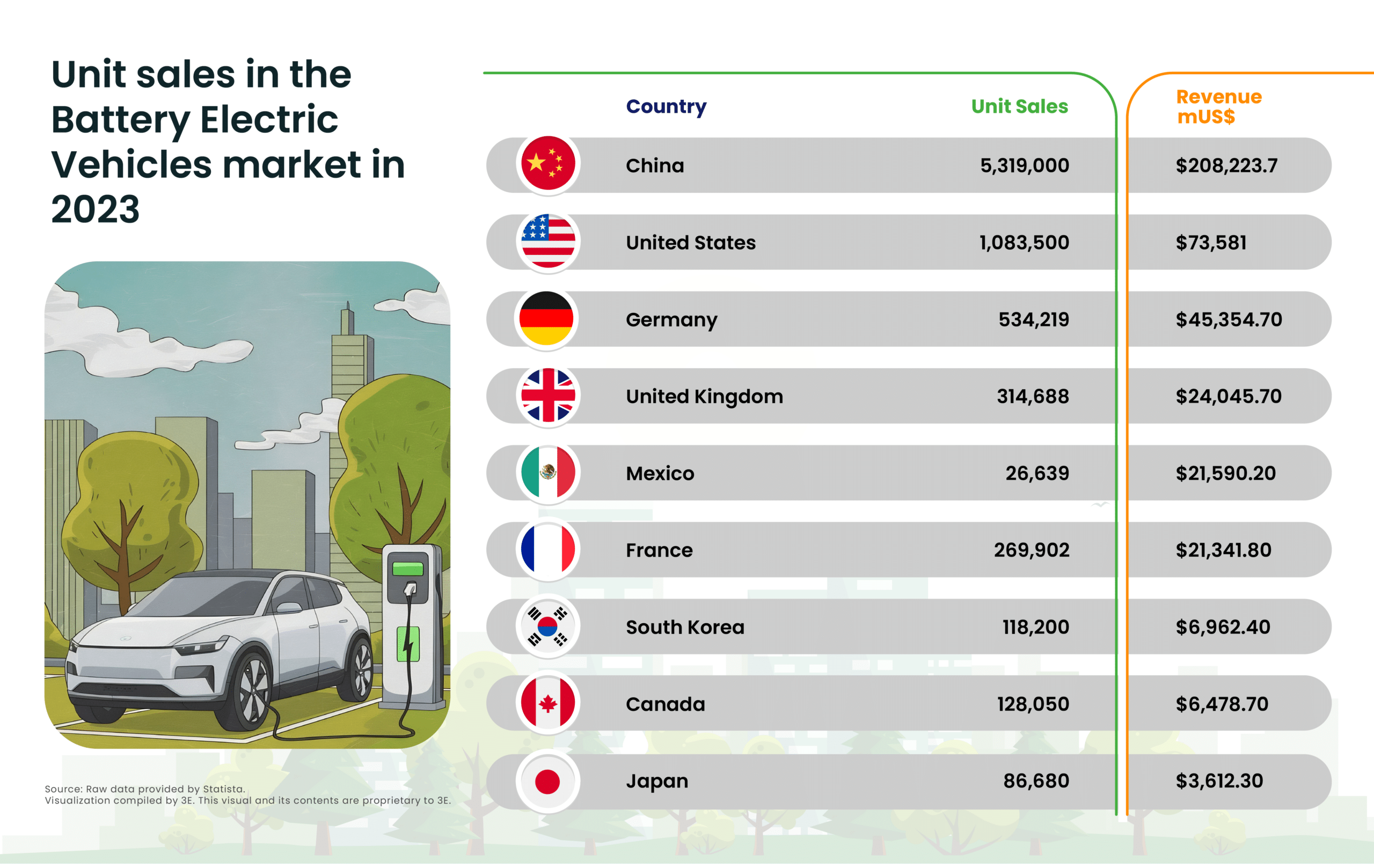
Cantor said that although it will depend on policy and consumer sentiment, EV sales will ultimately continue to increase. While it will take work to navigate uncertainty through the rest of 2025 and into 2026, Cantor sees the sales getting back on track in the future.
“From all the indications I've seen this year, despite all of the headwinds, you're still seeing market share on track with last year,” Cantor said. “The underlying data remains positive.”
About the Contributor: Dolan Harrington is a Data Journalist at 3E. His analytics career has spanned organizations including Delta Air Lines, Pendo (a unicorn product analytics startup), and S&P Global. He has a master's degree in business analytics from William & Mary.
About the Contributor: Adnan Malik is a Production Specialist and Graphic Designer on 3E's News team. With nearly a decade of experience, he specializes in various design solutions. He holds a Diploma in Information Technology, which complements his extensive expertise in various fields and Industries.


Insights straight to your inbox
Sign Up NowReporter
Sheridan Wood
Sheridan Wood is 3E's Industry Reporter. She has reported on local, state, and national news for public radio stations KACU, The Texas Standard, and National Public Radio. She has won regional and national reporting awards from the Society of Professional Journalists.

Related Resources
News
EU Omnibus Packages Part 5: Omnibus V – Simplifying EU Defense Regulation
News
EU Omnibus Packages Part 4: Omnibus IV — Product Regulation, Simplification, and Compliance
News
Athletes Disqualified at 2026 Winter Olympics Over PFAS
News
EU Omnibus Packages Part 3: Simplifying EU Agricultural Regulation