Related

EU Omnibus Packages Part 5: Omnibus V – Simplifying EU Defense Regulation
EU Omnibus Packages Part 4: Omnibus IV — Product Regulation, Simplification, and Compliance

Athletes Disqualified at 2026 Winter Olympics Over PFAS

EU Omnibus Packages Part 3: Simplifying EU Agricultural Regulation
On October 13, 2025, amid a flurry of legislative actions, California Governor Gavin Newsom vetoed SB 682, a law that would have expanded the state's regulations on per- and polyfluoroalkyl substances (PFAS). In his veto statement, Governor Newsom said that while he appreciated that the bill sought to protect the health of Californians and the environment, he could not sign the bill due to the inclusion of certain bans on the use of PFAS in cookware.
“I appreciate efforts to protect the health and safety of consumers, and while this bill is well-intentioned, I am deeply concerned about the impact this bill would have on the availability of affordable options in cooking products. I believe we must carefully consider the consequences that may result from a dramatic shift of products on our shelves. l encourage the author and stakeholders to continue discussions in this space, while ensuring that we are not sacrificing the ability of Californians to afford household products like cookware with efforts to address the prevalence of PFAS,” said Governor Newsom.
The regulation would have banned PFAS in two waves, depending on the product. In 2028, the first ban would have taken effect, covering cleaning products, dental floss, juvenile products, food packaging, and ski wax that contain intentionally added PFAS. A ban on cookware with intentionally added PFAS would have gone into effect in 2030.
The cookware ban was the center of controversy, receiving significant pushback from industry groups and other representatives. The group Protect Safe Cookware compiled a series of letters from chefs across the country, including television personality Rachael Ray, calling on the California state legislature to repeal the ban on certain PFAS for use in cookware due to the efficacy of the chemical. Other groups had similar concerns.
“[The original passing of] SB 682 is deeply concerning and a clear denial of science,” Cookware Sustainability Alliance (CSA) President Steve Burns told 3E. “Californians deserve the freedom to choose affordable cookware without being penalized.”
Environmental groups, however, including the Natural Resources Defense Council (NRDC), Clean Water Action, and the Environmental Working Group, hailed the bill as a great step forward in handling the impact of PFAS on the environment and the human body. Some have already come out against the governor's veto of the bill.
“By vetoing SB 682, Governor Newsom failed to protect Californians and our drinking water from toxic 'forever chemicals.' This policy would have aligned California with the other states that have already passed laws to phase out PFAS from all of these consumer products. Now California is a laggard. It's unfortunate that misinformation and greed by some in the cookware industry tanked this policy. But people are increasingly aware of the health and pollution risks associated with forever chemicals and are demanding PFAS-free alternatives for their homes and families. NRDC will continue to press the case for elimination of PFAS wherever possible,” said Dr. Anna Reade, director of PFAS Advocacy with NRDC.
To override the governor's veto, both houses of the state legislature will need to approve the bill with a two-thirds majority when they reconvene in 2026.
Key Deadlines if Passed by Legislature:
- January 1, 2028: Ban on cleaning products, dental floss, juvenile products, food packaging, and ski wax that contains intentionally added PFAS. Cleaning products must also comply with the California Air Resources Board's Volatile Organic Compounds consumer product regulations.
- January 1, 2030: Ban on cookware that contains intentionally added PFAS.
- January 1, 2031: Temporary exemptions expire
SB 454 Also Stumbles
SB 682 was not alone in failing to pass into law this legislative session. On October 1, 2025, Governor Newsom sent SB 454 back to the state legislature without his signature despite the bill receiving near-unanimous approval in both houses. The law would have created a PFAS Mitigation Program to tackle PFAS contamination in California waterways by establishing a fund in the state treasury designed to help water suppliers and sewer system providers remove PFAS from drinking water, recycled water, stormwater, and wastewater.
In his letter explaining the decision, Newsom stated that “while well-intentioned,” the bill is unnecessary, citing a lack of a clear source of funding for the program and the work that the California Environmental Protection Agency has done to address PFAS in the state as his reasons for the veto. His letter was met with disappointment from the backers of the original bill.
“ACWA [Association of California Water Agencies] is disappointed that the governor chose not to sign SB 454 into law. This critical bill would have delivered a statewide solution to address PFAS contamination and supported access to safe, reliable drinking water. ACWA was proud to co-sponsor SB 454, which would have established a dedicated fund leveraging multiple funding sources to help maintain water affordability,” ACWA Director of Regulatory Relations Chelsea Haines told 3E.
The state senate originally voted unanimously to pass SB 454 on September 9, 2025, after the state assembly passed it with near-unanimous approval, barring one absent vote, making a veto override likely.
AB 1181 Over the Finish Line
Despite the veto, there is some good news for advocates of PFAS regulations out of this legislative session. On October 6, 2025, Governor Newsom signed into law SB 1181, expanding protections for firefighters by regulating the use of intentionally added PFAS in firefighting equipment. The bill requires the Occupational Safety and Health Standards Board to revisit its rules on firefighter personal protective equipment (PPE() and consider updates to ensure that gear meets performance standards without relying on toxic substances like PFAS.
The bill sets the 2025 National Fire Protection Association 1970 Standard as the baseline for protecting firefighters from these toxic compounds and directs the board to make firefighter gear free from PFAS, following bans on firefighting foam that contained the substances. To ease the transition, the bill outlines a phased approach that allows old equipment to be replaced through normal wear-and-tear cycles or within 10 years of the new rules taking effect.
“With the governor's signature, AB 1181 becomes law - a major step forward for firefighter health and safety. The recent Eaton Fire reminded us how much we ask of our first responders. They risk everything to protect our communities, and they deserve gear that protects them in return. Removing toxic PFAS from firefighting equipment is a clear statement of our values and our commitment to those who serve on the front lines,” Assemblymember John Harabedian, the original sponsor of the bill, told 3E.
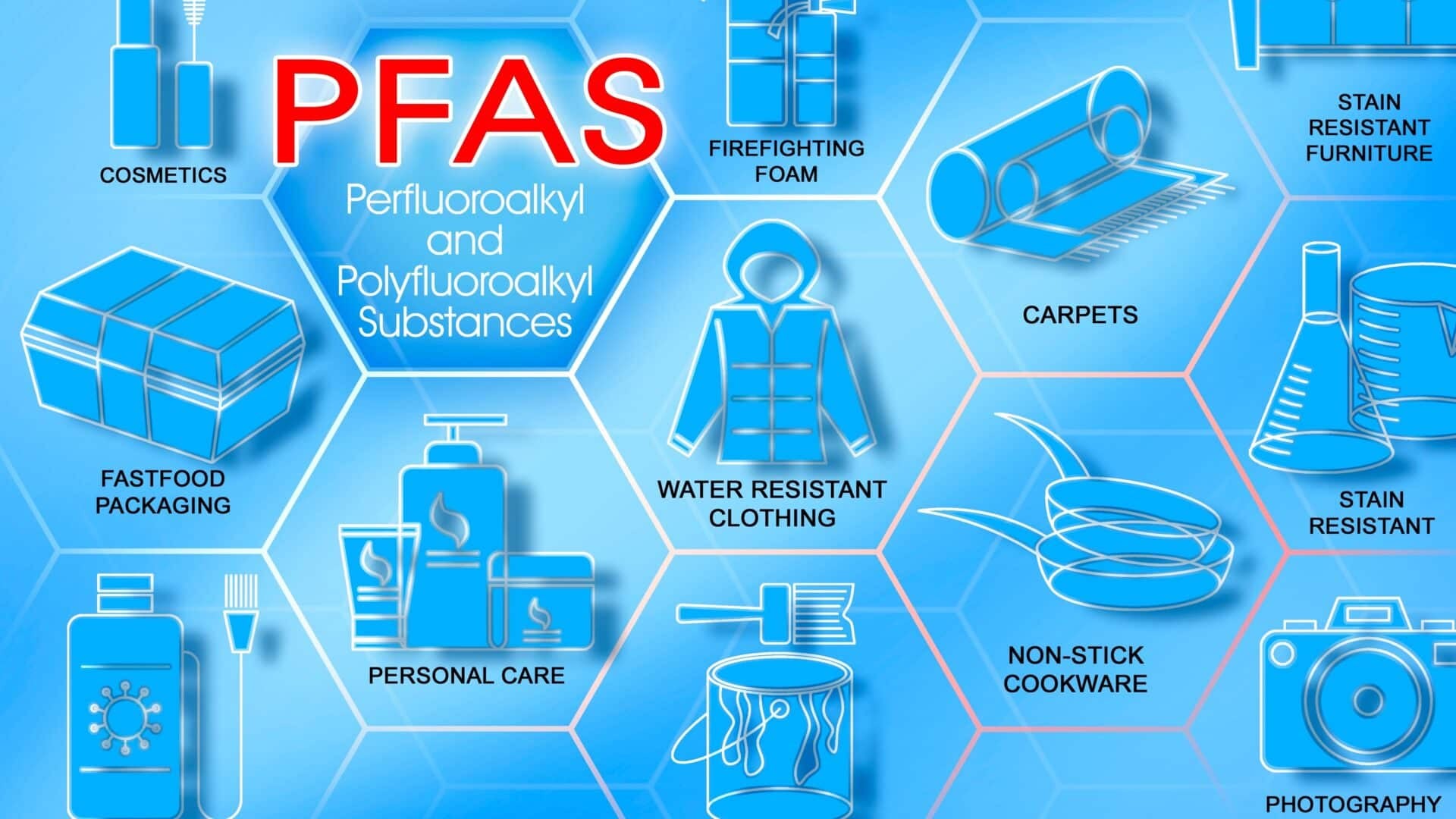
This bill joins a series of statutes in California that regulate PFAS, with the first two made law in 2020. SB 1044, which passed in September 2020 and went into effect on January 1, 2022, banned the sale and use of firefighting foam that included intentionally added PFAS. In the same month, Governor Gavin Newsom signed into law AB 2726, banning cosmetics with toxic chemicals, including PFAS, from being sold in the state starting January 1, 2025. Since then, the state has passed several bills that expanded the list of banned products with intentionally added PFAS to include juvenile products, food packaging, menstrual products, firefighter gear, and apparel.
Key Deadlines:
- July 1, 2026: The Division of Occupational Safety and Health must report on progress toward implementation of modified firefighter PPE safety standards.
- January 1, 2028: The Occupational Safety and Health Standards Board must consider modifying its existing safety order on firefighter PPE.


Insights straight to your inbox
Sign Up NowReporter
Christopher Bornmann
Christopher Bornmann is the State Regulatory and Legal Action Reporter for 3E based in Washington, D.C. He covers the latest legal developments and updates in environmental, health, and safety (EHS) that impact the U.S. at the state level. He has experience working for the U.S. House of Representatives and national advocacy groups.

Related Resources
News
EU Omnibus Packages Part 5: Omnibus V – Simplifying EU Defense Regulation
News
EU Omnibus Packages Part 4: Omnibus IV — Product Regulation, Simplification, and Compliance
News
Athletes Disqualified at 2026 Winter Olympics Over PFAS
News
EU Omnibus Packages Part 3: Simplifying EU Agricultural Regulation