Related

EU Omnibus Packages Part 5: Omnibus V – Simplifying EU Defense Regulation
EU Omnibus Packages Part 4: Omnibus IV — Product Regulation, Simplification, and Compliance

Athletes Disqualified at 2026 Winter Olympics Over PFAS

EU Omnibus Packages Part 3: Simplifying EU Agricultural Regulation
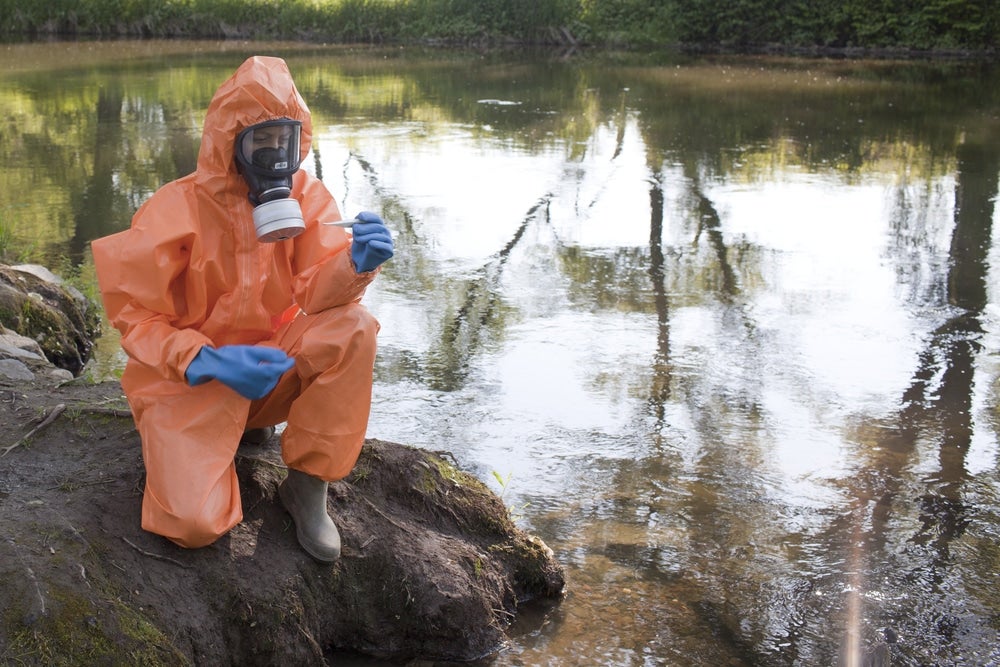
Chemicals dominate modern life. They're in the air we breathe, the food we eat, the products we use daily, and the rivers and soils that sustain us. Many are harmless, even helpful, but some carry risks. For regulators, it's a daunting task to figure out which of the millions of compounds that swirl around us are potentially harmful. In this series of articles, 3E will help you navigate emergent pollutants to examine which substances are likely to attract regulatory attention in the future.
When regulators decide to act on a chemical, they rarely make the decision overnight. Years of research, public pressure, and mounting evidence have usually paved the way. But before any formal restrictions come into play, many substances begin their regulatory journey under a more informal label: “emergent pollutants” - or, in scientific parlance - “contaminants of emerging concern” (CECs).
These are substances that scientists are starting to flag, often because they have already been found in the environment and/or because their chemistry suggests that they could be harmful. CECs are not yet controlled by regulation, but they are moving into the spotlight, making it prudent for the chemical industry to take note.
What Makes a Pollutant “Emerging”?
Leon Barron, an analytical chemist who leads the Emerging Chemical Contaminants Team at Imperial College London, spends his time studying how pollutants move through and interact with the environment. He stresses that the CEC label is not meant to alarm consumers or the public but does signal the need for greater scrutiny from scientists and governments.
“A contaminant of emerging concern is a substance that has been detected, or is very, very likely to be detectable in the environment, and given its nature, is likely to pose some level of risk to wildlife or humans,” Barron told 3E. “That doesn't mean we should be running around being scared of them. Context and concentration matter enormously.”
Nuance is essential here. Some substances sound dangerous on paper but occur in such low concentrations that they pose little risk. Others may be widely used and benign in some contexts but damaging in others. It's the job of scientists like Barron to produce data and evidence to provide clarity on CECs, helping regulators figure out the risks they pose.
From Lab to Law
For the chemical industry, emerging pollutants should perhaps be best understood as the first step on a possible journey towards regulation. While the process varies between jurisdictions, the path usually begins with researchers publishing evidence of environmental presence and potential risks.
That's when companies should start to pay attention to what is being discussed in the scientific literature; it can act as an early warning system, giving businesses more time to search for environmentally friendlier alternatives to CECs.
Per- and polyfluoroalkyl substaces (PFAS) are a great example of the value in tracking CECs. These so-called “forever chemicals” have been used in everything from nonstick frying pans to firefighting foams. Now that regulators are acting, new restrictions are frequent and fast. Before we got to this point with PFAS, there were research papers and advocacy groups calling out PFAS as a CEC. Businesses who listened and anticipated these PFAS regulatory changes were better positioned to adapt.
Subtypes of CECs
Barron says that CECs can largely be divided into three overlapping groups: biological, physical, and chemical.
- Biological pollutants include proteins, viruses, and antimicrobial resistance genes, which can find their way into the environment through pharmaceutical drug use and animal husbandry.
- Physical pollutants include particles such as microplastics, nanoplastics, or airborne dust and tire wear.
- Chemical pollutants include pesticides, industrial compounds, and personal care products.
This article marks the beginning of a series on emerging pollutants. The next installments will look at the three major subcategories - biological, physical, and chemical - in greater depth, with case studies and analysis of what they mean for the chemical industry.
Emerging pollutants are not simply a scientific curiosity. For businesses, ignoring them is a gamble; anticipating them is an opportunity.
For more information, read part 2 of this series:
Emerging Pollutants 2: Chemical CECs and the Regulation Gap


Insights straight to your inbox
Sign Up NowEMEA News Editor
Benjamin Plackett
Benjamin Plackett is a science journalist based in London with 15 years of experience covering emerging trends within chemistry research as well as the chemical and pharmaceutical industries. As the EMEA news editor, he oversees the expansion of 3E’s proprietary news in the region in collaboration with other editors and reporters.

Related Resources
News
EU Omnibus Packages Part 5: Omnibus V – Simplifying EU Defense Regulation
News
EU Omnibus Packages Part 4: Omnibus IV — Product Regulation, Simplification, and Compliance
News
Athletes Disqualified at 2026 Winter Olympics Over PFAS
News
EU Omnibus Packages Part 3: Simplifying EU Agricultural Regulation