Related

EU Omnibus Packages Part 5: Omnibus V – Simplifying EU Defense Regulation
EU Omnibus Packages Part 4: Omnibus IV — Product Regulation, Simplification, and Compliance

Athletes Disqualified at 2026 Winter Olympics Over PFAS

EU Omnibus Packages Part 3: Simplifying EU Agricultural Regulation
On October 23, 2025, the European Parliament passed the proposal for the Regulation on Preventing Plastic Pellet Losses to Reduce Microplastic Pollution. This marks the final stage of the journey to regulate one of the most damaging and pernicious forms of plastic pollution, especially in the world's marine ecosystems.
The regulation requires companies to implement plans for managing the risks involved in handling plastic pellets, including staff training and equipment guidelines. European Union (EU) and non-EU operators that handle more than 1,000 tonnes of plastic pellets annually must obtain independent third-party certification. Small companies and microenterprises that handle less than 1,000 tons annually are exempt from those requirements and will instead submit self-declarations five years after the regulation comes into effect. There are also new requirements for maritime transport to prevent the loss of plastic pellets at sea.
Amy Youngman, a legal and policy specialist with the Environmental Investigation Agency, welcomed Parliament's approval.
“Plastic pellets are the hidden oil spills of our time, and the EU has finally acted to stop them at the source,” Youngman said in communication with 3E. “After decades of voluntary promises that failed to stop the spills, the EU has drawn a line in the sand - no more free passes for this microplastic pollution.”
Youngman further emphasized that passing the regulation demonstrates that pollution is preventable when there is the political will to tackle the problem.
“Pellet losses are a senseless source of contamination; fixing them should be a no-brainer,” she said. “We welcome the EU for raising the bar and look forward to industry and authorities meeting it, while hoping other countries and regions match this level of ambition.”
Pervasive Danger of Plastic Pellets
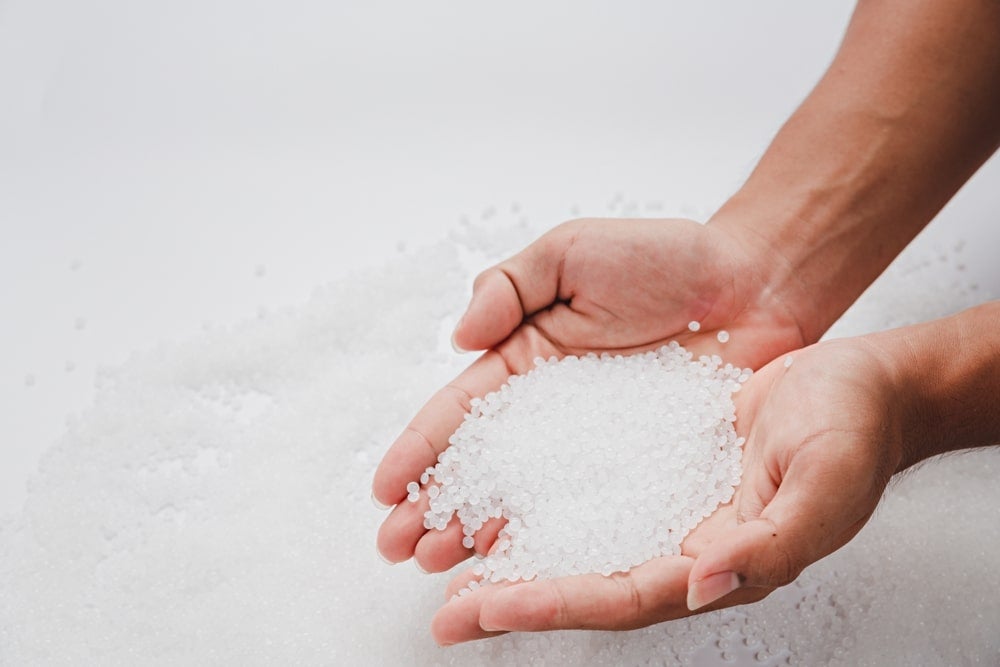
Plastic pellets - sometimes referred to as “nurdles” - are around 5 millimeters in size and are the basic material for forming larger plastic products. They are a major source of unintentional microplastic pollution as a result of poor handling practices across the supply chain, especially in industrial environments. However, they also occur as a result of shipping disasters, as in recent incidents in Kerala, India, in May 2025, and the X-Press Pearl disaster in Sri Lanka in May 2021.
Europe loses approximately 184,290 tonnes of plastic pellets every year, much of which ends up in the world's oceans and waterways. Since they are plastic and do not biodegrade, they can accumulate in the environment and be ingested by wildlife and even humans. Recent research has linked microplastics in our bodies with elevated risks of strokes, heart attacks, and early death.
A Victory, But Work Remains
In a LinkedIn post, Youngman said that the Environmental Investigation Agency and other organizations such as Rethink Plastic Alliance have been advocating for this regulation for more than a decade. In a press release, Frédérique Mongodin, senior marine litter policy officer for Seas At Risk, praised the regulation but pointed out that it had taken some time before the EU took action on the initiative.
“The Commission got it right by choosing a supply chain approach, ensuring a uniform implementation of prevention and cleanup measures,” said Mongodin. “Including maritime transport was a welcome addition, likely driven by recent container ship accidents, although an unjustified three-year delay is disappointing. It is high time such binding rules replaced existing voluntary initiatives to ensure pellets are finally treated as the hazardous pollutant they are, not just another cargo.”
The regulation comes amid a difficult time for mitigating plastic pollution. In August, the negotiations at the Intergovernmental Negotiating Committee (INC) 5.2 in Geneva on a treaty for plastic pollution ended without an agreement as countries remained at odds on issues like production, reduction, and recycling. While a high-ambition coalition of countries wants to reduce plastic production, countries like Saudi Arabia, which rely on the production of petroleum-based products like plastic, are instead pushing for better waste management and recycling without imposing a cap on production.
For more information about this regulation, read the 3E article European Parliament to Vote on Plastic Pellet Loss Prevention Regulation.


Insights straight to your inbox
Sign Up NowReporter
Graham Freeman
Graham Freeman is based in Toronto, where he covers ESG and sustainability news. Graham has been a content and technical writer in the technology industry for more than a decade. He has also worked as a professor and lecturer at Queen’s University, the University of Toronto, and George Brown College.

Related Resources
News
EU Omnibus Packages Part 5: Omnibus V – Simplifying EU Defense Regulation
News
EU Omnibus Packages Part 4: Omnibus IV — Product Regulation, Simplification, and Compliance
News
Athletes Disqualified at 2026 Winter Olympics Over PFAS
News
EU Omnibus Packages Part 3: Simplifying EU Agricultural Regulation