Related

EU Omnibus Packages Part 5: Omnibus V – Simplifying EU Defense Regulation
EU Omnibus Packages Part 4: Omnibus IV — Product Regulation, Simplification, and Compliance

Athletes Disqualified at 2026 Winter Olympics Over PFAS

EU Omnibus Packages Part 3: Simplifying EU Agricultural Regulation
Since it was first proposed on February 26, 2025, the Omnibus has been the subject of intense political wrangling between the left-wing and right-wing members of the European Union (EU). On November 13, 2025, the EU Parliament passed its proposed Omnibus position through an alliance between the European People's Party (EPP) and far-right parties. The final vote was 382 in favor, 249 opposed, and 13 abstentions.
The approval comes after a dramatic few weeks in which the parliament approved and then voted against its own position after the governing EPP failed to gather enough support from either the left-wing or right-wing parties.
On the left, parties like the Socialists and Democrats (S&D) and Renew Europe tried to hold on to as many of the original elements of the Corporate Sustainability Reporting Directive (CSRD) and Corporate Sustainability Due Diligence Directive (CSDDD) as possible. Inspired by the Draghi Report from September 2024, which advocated for reforms of EU sustainability regulations to strengthen competitiveness, right-wing parties like the European Conservatives and Reformists (ECR) and the Patriots for Europe have pushed for deeper cuts and deregulation to support EU businesses by reducing their reporting obligations.
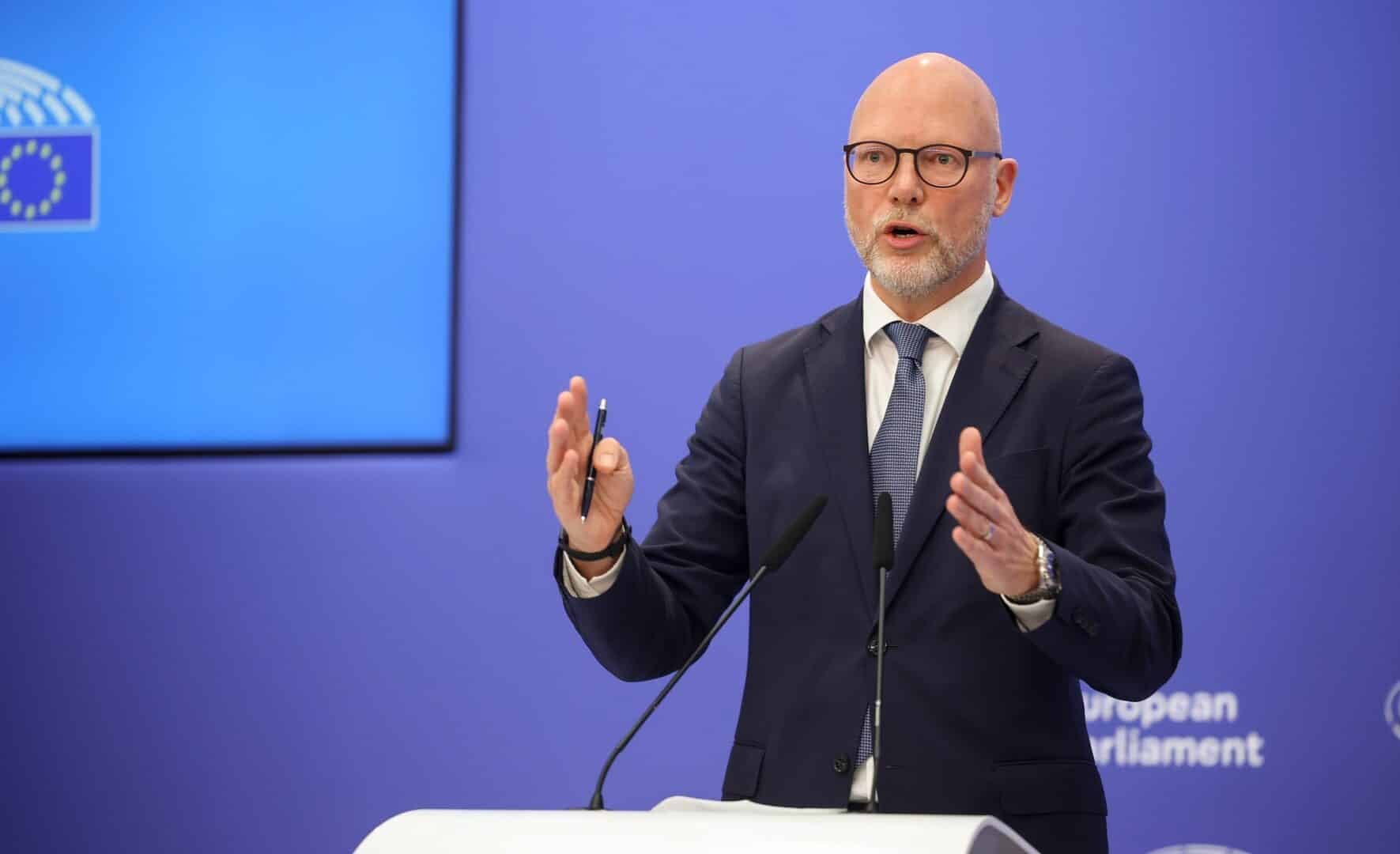
With the commission and the council having adopted their positions, Parliament is the final stage before the trilogue negotiations. The European People's Party (EPP) lead negotiator Jörgen Warborn, whose majority governing party is leading the negotiations, came to parliament with two proposals: First, a centrist position that proposed deeper cuts than those recommended by the Commission and the Council, and second, a more radical position that would appeal primarily to the far-right parties. Critics accused Warborn of blackmailing the left wing into a compromise on the first plan by threatening to get the votes he needed for the second plan from the far right if necessary.
The Omnibus will now move to trilogue negotiations for likely implementation by late 2025 or early 2026.
The Proposal
According to Parliament's proposal, the CSRD threshold will be at least 1,750 employees and a turnover of €450 million, which will put approximately 92% of companies out of scope. The CSDDD will have a threshold of at least 5,000 employees and €1.5 billion turnover, no civil liability, and a fully risk-based approach to due diligence. There will be no obligation for organizations to have climate transition plans.
In a press conference following the vote, Warborn said that he had strong support from the EU business community for the extensive proposed cuts to EU sustainability regulations.
When he met a business last week, said Warborn, “[T]hey said, 'Well, it cost us money to do those climate transition plans, we would like to take that money from producing the climate transition plans and put it into research and development so that we can sell products and solutions that actually cut emissions for Europe globally.'”
In a press release, interim head of EU policy at ShareAction Richard Gardiner said the vote is a direct attack on Europe's wider sustainability agenda.
“What we're witnessing isn't just a watering down of ambition, but a public alliance of political forces fundamentally opposed to sustainability itself,” said Gardiner. “This is happening at a moment when the realities of climate breakdown and social injustice demand more courage, not less.” According to him, short-term profits for the largest companies “are being placed above the long-term well-being of the planet and its people.”
Andreas Rasche, professor of business in society at the Copenhagen Business School, said that by siding with the far right to pass its Omnibus agenda, the EPP is putting short-term political gains ahead of long-term competitiveness, and that deleting transition plans and raising thresholds so only mega-firms are covered is deregulation disguised as reform.
“Today's decision is the outcome of deliberate political maneuvering and a reckless 'take-it-or-leave-it' approach by the EPP,” said Rasche in a communication to 3E. “As a result, 92% of European companies will no longer be required to disclose sustainability information. This is a serious setback for transparency and accountability, and it leaves investors flying blind at a time when reliable data is more critical than ever.”
The Dramatic Journey of the Omnibus
On October 13, 2025, the European Parliament Committee on Legal Affairs (JURI) adopted its position for those negotiations with a centrist proposal that satisfied neither the left nor the right but had a greater chance of getting enough votes to pass.
For the CSRD, Parliament's position included a scope of at least 1,000 employees and a turnover of at least €450 million, which excluded more companies from reporting requirements. It also proposed exemptions for financial holdings and listed subsidiaries.
For the CSDDD, the position included a scope of at least 5,000 employees and a turnover of €1.5 billion, the elimination of civil liability schemes for class-action lawsuits for violations of the CSDDD, and a risk-based approach to due diligence instead of the proposed scope of limiting it to only Tier 1 suppliers.
However, during the final vote on October 22, Parliament rejected its own proposal after members of the S&D voted against it. By November 12, it appeared all but certain that Warborn had turned to the far-right parties to get the support he needed, potentially putting an end to the firewall between the governing EPP and the far right and rolling back many of the key components of the EU Green Deal.
In a LinkedIn post, Professor of Law at HEC Paris and Democracy Fellow at Harvard University, Alberto Alemanno said that the outcome of the vote could have far-reaching implications for Europe and its place in the world.
“As of today, [Ursula] von der Leyen's political majority will be the right and far-right only,” said Alemanno, “with devastating repercussions for the EU's economy, society, and democratic foundations - enabling the U.S. administration to double down on its influence on the EU.”
Gardiner said that the EU Green Deal will hang in the balance of the upcoming trilogue negotiations.
According to him, “As trilogue negotiations begin, it's now basically up to the Danish Presidency of the Council and member states to reverse this course and save the EU's sustainability framework before it's nothing but words on a page.”


Insights straight to your inbox
Sign Up NowReporter
Graham Freeman
Graham Freeman is based in Toronto, where he covers ESG and sustainability news. Graham has been a content and technical writer in the technology industry for more than a decade. He has also worked as a professor and lecturer at Queen’s University, the University of Toronto, and George Brown College.

Related Resources
News
EU Omnibus Packages Part 5: Omnibus V – Simplifying EU Defense Regulation
News
EU Omnibus Packages Part 4: Omnibus IV — Product Regulation, Simplification, and Compliance
News
Athletes Disqualified at 2026 Winter Olympics Over PFAS
News
EU Omnibus Packages Part 3: Simplifying EU Agricultural Regulation