
Related

EU Omnibus Packages Part 5: Omnibus V – Simplifying EU Defense Regulation
EU Omnibus Packages Part 4: Omnibus IV — Product Regulation, Simplification, and Compliance

Athletes Disqualified at 2026 Winter Olympics Over PFAS

EU Omnibus Packages Part 3: Simplifying EU Agricultural Regulation
We recently sat down with our 3E Exchange users to better understand how they take advantage of the supplier surveys, data management, and reporting features throughout our platform. With continued interest around supplier surveys and overcoming the challenges that come with them, we wanted to help share their insights on engaging suppliers. As we’ve learned, this can be a source of frustration, so here are five tips to get the highest quality responses from suppliers:
1. Remember the Basics
When reaching out to suppliers, users emphasized the importance of including basic request information in the initial email request. Who, what, when and why is my rule of thumb. Suppliers respond much better if they know who they are working with and how they can reach out with questions. They will have a much easier time directing the request to the right person internally if they know what information is being requested. It's also key to give clear deadlines for the returned response. And finally, explain why you need the answers you're asking for. Understanding the 'why' will help motivate their timely responses.
2. Introducing 3E Exchange!
A simple introduction can go a long way! Send the supplier a quick 'heads up' email. You could even set up a meeting to familiarize them with the platform. Every organization has their own approach, some involve the procurement team or buyers… Get 3E Exchange on their radar and convey the importance of their responses.
Here are two examples:
-
- The buyer team sends an introductory email to the supplier alerting of the future requests from 3E Exchange. Then, the sustainability team would work with the supplier to answer specific questions.
- The sustainability team leads all communications but copies the buyer team on everything that is sent, including the request from 3E Exchange.
For both approaches, the introductory email allows the supplier to be certain that 3E Exchange is part of your company's formal process and helps communicate the importance to the business of them completing the request.
3. Establish Expectations Early-on
Many users mentioned the necessity of establishing the chemical disclosure requirements early-on in the supplier relationship. Including these requirements in the formal supplier agreement was the first step, and then making sure that the supplier understood those requirements during vetting greatly improved success. Oftentimes, the chemical data can’t be obtained during the establishment of a supplier relationship because the purchasing specifications are not yet finalized. When the supplier is aware early on that they will need to share full or nearly full material disclosure, it makes the introduction of 3E Exchange much easier.
4. Multiple Levels of Disclosure
Just like being in school, some suppliers will be over-achievers to get you the data you need, and some will require more effort. Multiple users mentioned the importance of having multiple levels of disclosure available for supplier that fall into those two categories and everywhere in between. Most users initially ask for full material disclosure from their suppliers. Suppliers would often be concerned about their proprietary chemicals, and that desire to keep some chemicals proprietary was answered by the proprietary feature within the supplier surveys in 3E Exchange. However, some suppliers want to attest to a specific list of chemicals or answer questions on their product instead of full material disclosure, so sending a second survey to laggard suppliers with a simpler request was a highly successful approach.
5. Language Matters
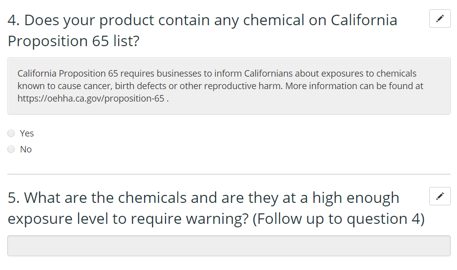
Finally, be sure to phrase questions in a way that suppliers understand, and that encourages them to respond with as much information as possible. Melea Wade from Shaw provided an example regarding California Prop 65 content. Rather than asking two questions and making it easier to not include the chemical names:
Ask one, and be straight-forward:
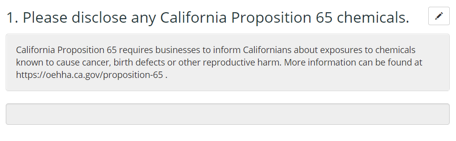
Melea found she got much better responses to the simpler second question.
Being clear, fair and somewhat flexible with your suppliers is very important in requesting information, especially sensitive information like chemical content. Use these best practices to make things easier for both you and your suppliers.


Insights straight to your inbox
Sign Up NowRelated Resources
News
EU Omnibus Packages Part 5: Omnibus V – Simplifying EU Defense Regulation
News
EU Omnibus Packages Part 4: Omnibus IV — Product Regulation, Simplification, and Compliance
News
Athletes Disqualified at 2026 Winter Olympics Over PFAS
News
EU Omnibus Packages Part 3: Simplifying EU Agricultural Regulation