Related

EU Omnibus Packages Part 5: Omnibus V – Simplifying EU Defense Regulation
EU Omnibus Packages Part 4: Omnibus IV — Product Regulation, Simplification, and Compliance

Athletes Disqualified at 2026 Winter Olympics Over PFAS

EU Omnibus Packages Part 3: Simplifying EU Agricultural Regulation
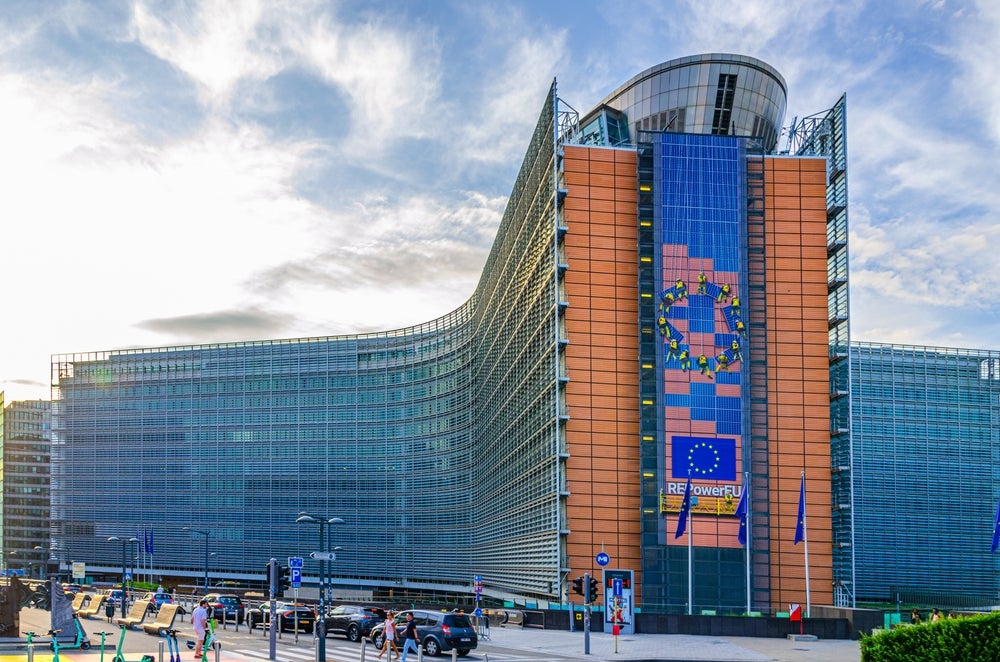
The EU has released its highly anticipated Omnibus simplification of key elements of the Green Deal, including the Corporate Sustainability Due Diligence Directive (CSDDD), the Corporate Sustainability Reporting Directive (CSRD), and the Taxonomy.
It confirms the worst fears of sustainability experts who saw a leaked draft of the Omnibus over the weekend. Many of the sustainability commitments and reporting requirements have been stripped away to reduce the burden on business and to improve the competitiveness of European industry.
The scope of CSRD is aligned with that of CSDDD, which removes approximately 80% of the companies that were previously considered in scope and focuses reporting obligations on only the largest companies. It postpones sustainability reporting requirements for companies currently in scope until 2028 and significantly reduces reporting for the EU Taxonomy while making much of the reporting voluntary. It streamlines the European Sustainability Reporting Standards (ESRS) used for CSRD reporting and eliminates sector-specific standards. It also simplifies the “Do No Significant Harm” (DNSH) criteria related to preventing pollution from the use and presence of chemicals.
CSDDD’s reach is significantly narrowed. It will focus only on direct business partners in the supply chain and reduce the frequency of due diligence assessments from one year to five years, allowing for ad hoc assessments when necessary. Sustainability due diligence requirements for large companies are postponed until 26 July 2028. The directive also limits the amount of information large companies can request from small companies, removes civil liability conditions, and severs the link between penalties and net turnover.
Simplification or Deregulation?
EU Commission President Ursula von der Leyen touted the extent to which these changes will benefit European businesses.
“We are presenting our first proposal for far-reaching simplification,” said President von der Leyen in the official press release. “EU companies will benefit from streamlined rules on sustainable finance reporting, sustainability due diligence, and taxonomy. This will make life easier for our businesses while ensuring we stay firmly on course toward our decarbonization goals. And more simplification is on the way.”
Sustainability experts, however, see the Omnibus as little more than deregulation masquerading as simplification through a drastic slashing of the EU's commitments to sustainability and human rights in the supply chain.
“This is an absolute massacre of what CSDDD was meant to be, and what's worse is that it is being done with no democratic mandate and no assessment to justify the decisions being considered,” said Richard Gardiner, strategic public policy lead at the World Benchmarking Alliance. “If the commission follows this path, then they will simply be pandering to the most conservative business voices, disregarding more than 15 years of positive developments on business and human rights developments, and ultimately ignoring progressive business, investors, and those workers and communities the EU previously agreed to protect.”
Gardiner says that while the commission claims it has preserved the obligations for companies to draw up climate-transition plans, the text reveals those plans will become simple paperwork exercises rather than real risk-management tools.
“By requiring companies to draw up plans but removing any obligation to implement them, they undermine both accountability and the EU Climate Law-so again, this isn't streamlining or simplifying, it's backpedaling,” said Gardiner.


Insights straight to your inbox
Sign Up NowReporter
Graham Freeman
Graham Freeman is based in Toronto, where he covers ESG and sustainability news. Graham has been a content and technical writer in the technology industry for more than a decade. He has also worked as a professor and lecturer at Queen’s University, the University of Toronto, and George Brown College.

Related Resources
News
EU Omnibus Packages Part 5: Omnibus V – Simplifying EU Defense Regulation
News
EU Omnibus Packages Part 4: Omnibus IV — Product Regulation, Simplification, and Compliance
News
Athletes Disqualified at 2026 Winter Olympics Over PFAS
News
EU Omnibus Packages Part 3: Simplifying EU Agricultural Regulation