Related

EU Omnibus Packages Part 5: Omnibus V – Simplifying EU Defense Regulation
EU Omnibus Packages Part 4: Omnibus IV — Product Regulation, Simplification, and Compliance

Athletes Disqualified at 2026 Winter Olympics Over PFAS

EU Omnibus Packages Part 3: Simplifying EU Agricultural Regulation
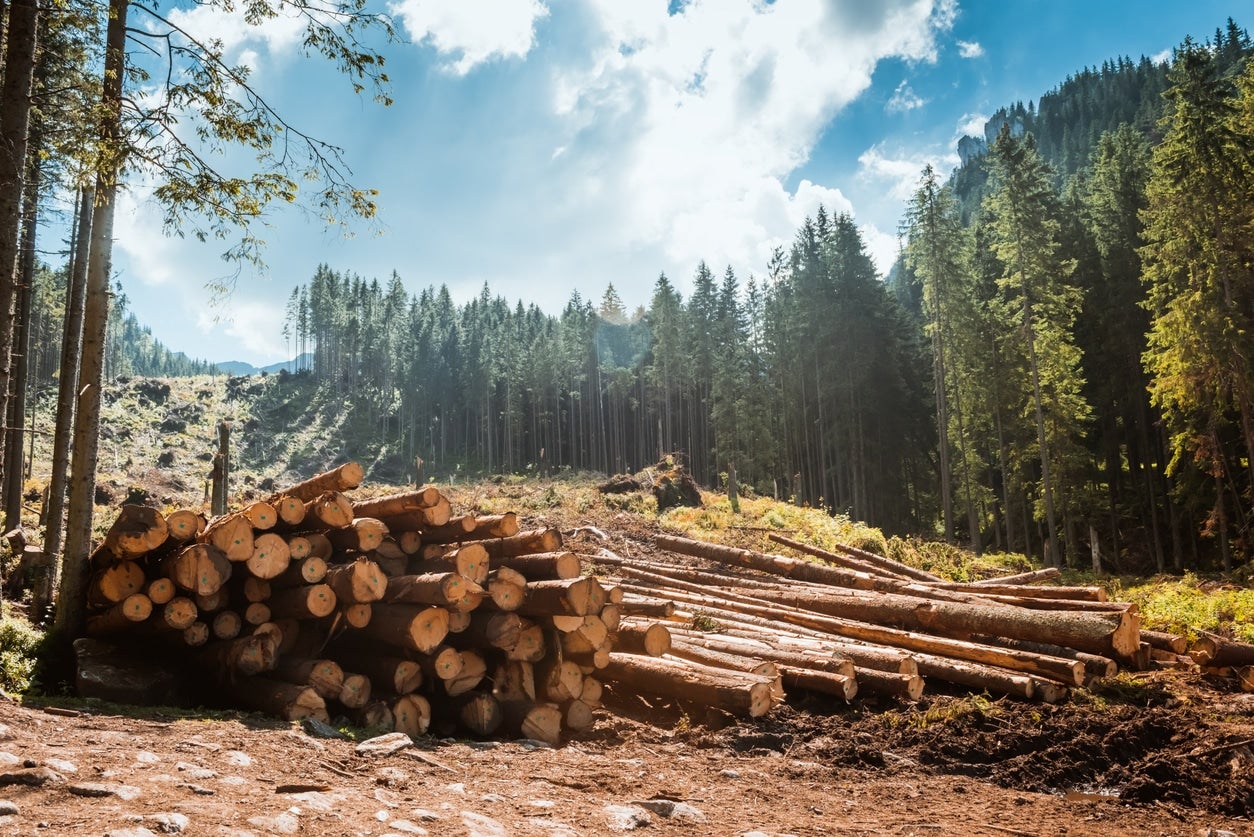
With the EU Regulation on Deforestation Free Products (EUDR) set to come into force on 30 December 2024, tensions over its implementation and enforcement guidelines are reaching a boiling point.
The EUDR, also known as Regulation (EU) 2023/1115, aims to curb global deforestation by targeting products created in or exported from the EU that originate from land impacted by deforestation that occurred after 31 December 2020. Anyone placing products on the EU market or exporting them from the EU market must also be able to demonstrate that they are compliant with relevant legislation regarding land use, labor rights, human rights, the rights of Indigenous peoples, and anti-corruption in the country of production.
The EUDR applies to seven commodities: cattle, cocoa, coffee, oil palm, rubber, soya, and wood, as well as products derived from relevant commodities, including books, leather, chocolate, and wood products.
Penalties for noncompliance can include fines, confiscation of products, and temporary exclusion from public procurement processes.
Several organizations are requesting a delayed implementation of the EUDR until the EU provides more explicit guidance and more digital infrastructure is available to assist with product tracking and disclosures.
Stakeholders: Complexity of Implementation 'Overwhelming'
EuroCommerce, an organization that represents European retail and wholesale sectors, has expressed concern that their members will be overwhelmed by the complexity of compliance with the regulation. Retailers and wholesalers have tens of thousands of upstream suppliers, many of whom will be small-to-medium enterprises (SMEs) that lack the digital capacity to trace and disclose the origins of all their products and product components. Critics of the regulation claim creating this infrastructure could require prohibitively expensive investments for SMEs and would cause considerable delays in the supply chain during implementation.
The potential for a disproportionate compliance burden falling on small businesses and independent farmers lies at the heart of much of the resistance. In July, the Global Coffee Platform (GCP), which represents coffee growers around the world and includes organizations like the Global Fund to End Modern Slavery and the Rainforest Alliance, urged the EU Commission to address ongoing concerns about improved technology for providing geolocation coordinates, the lack of a benchmark that ranks countries for deforestation risk, and policies for data privacy.
The requirement for precise geolocation tags for products is a particular sticking point for many stakeholders. The tags will allow companies and regulators to identify the exact point of origin for products and their components to ensure they do not come from deforested land. They require a minimum of six decimal places for latitude and longitude. However, the Global Forest Cover 2020 atlas, which will support the geolocation element of the EUDR, has shown itself to be inaccurate in several critical ways, such as misidentifying plantations among trees as forested land, which could incorrectly classify legal farms as deforested land.
There is also growing opposition at the federal and international levels. The European People's Party (EPP), despite supporting the EUDR during the Parliamentary vote in April, has proposed delaying the implementation to address concerns about its impact on SMEs, especially European coffee roasters and foresters.
The U.S. has also pushed back at the EUDR. In a 30 May 2024 letter to the EU Commission, the Biden Administration called for the EU to postpone implementation to address concerns from U.S. organizations in the feed industry and the pulp-and-paper industry that the lack of preparation time will lead to significant supply chain disruption.
Indigenous groups in Canada have also criticized what they consider the EUDR's ethnocentric definition of “forest degradation.” EUDR disqualifies primary forests that have been harvested and replanted, the goal of which is to ensure forests like the Amazon are not harvested and then replaced with non-native species. In Canada, however, Indigenous-led industries use centuries-old practices of forest stewardship to cultivate and nourish forests in ways that support Indigenous industry while remaining environmentally sustainable, including harvesting and replanting forests with species native to the area. These practices would fall afoul of the EUDR, which would conflict with the traditional, Indigenous forestry-management practices that are critical to sustainability.
Support for EUDR Remains Strong
The EUDR continues to have strong support from many stakeholders, including from some of the small countries that advocates of postponement claim to be representing. In Africa, Ghana has announced that its cocoa traceability system is on track and will be ready for implementation by October 2024, with the Ghanaian cocoa regulator (COCOBOD) providing smartphones and internet access to buyers and managers to ensure the system operates properly. Like Ghana, Ivory Coast is nearing completion of its national cocoa traceability system.
Further, both the Ghanaian and Ivorian governments have expressed concern to the EU about the pushback from EU member states and reiterating their support for the EUDR's implementation. Ivory Coast has been pushing its government to complete the traceability system for several years as a way of fighting systemic corruption that keeps most cocoa producers below the line for extreme poverty.
In April 2024, more than 170 organizations wrote a letter to EU Commission President Ursula von der Leyen in support of the EUDR. The signatories urged the EU to stand firm in the pursuit of the principles of the EUDR despite the inevitable opposition from other parties. “We are aware that certain industry associations, third countries and even agriculture ministers from EU Member States are criticizing the EUDR or certain aspects of it, risking undermining it, despite years of research, consultation, and an open, and transparent legislative process,” the letter stated. “We urge you to protect the integrity of the EU democratic decision-making process and to ensure that the EU stands firm in pursuing the objectives set out in the EUDR.”
The Response from the EU Commission
So far, the EU has shown no indication that it intends to revise the EUDR. However, in her policy document “Europe's Choice: Political Guidelines for the Next European Commission 2024-2029,” President von der Leyen hinted that she is aware of both the support and criticism of various environmental regulations from the EU.
“We also need to listen and respond better to the concerns of our partners impacted by European legislation, in particular those linked to the European Green Deal,” said von der Leyen. “We need a more systematic approach to assessing the impact of our laws on non-EU countries, and we need to provide more targeted support to help them adjust to and benefit from those laws.”
According to Cassidy Spencer, Sustainability Regulatory Analyst at 3E, the EUDR's troubled path to implementation reflects both the complexity and importance of its intent.
“EUDR represents a monumental step towards sustainable supply chains, but its implementation is unsurprisingly challenging,” said Spencer. “I say unsurprisingly, because each step towards a sustainable future requires innovative thinking and new approaches. This path is challenging and demands significant effort. The complexity of compliance asks, especially for SMEs, cannot be diminished.”
However, staying on course is crucial, said Spencer, adding that there must be a realistic compromise from both the EU and relevant stakeholders “to provide clear and achievable guidance, while also acknowledging the path towards more sustainable supply chains will never be easy.”
——
Editor's Note: 3E is expanding news coverage to provide customers with insights into topics that enable a safer, more sustainable world by protecting people, safeguarding products, and helping businesses grow. Deep Dive articles, produced by reporters, feature interviews with subject matter experts and influencers as well as exclusive analysis provided by 3E researchers and consultants.


Insights straight to your inbox
Sign Up NowReporter
Graham Freeman
Graham Freeman is based in Toronto, where he covers ESG and sustainability news. Graham has been a content and technical writer in the technology industry for more than a decade. He has also worked as a professor and lecturer at Queen’s University, the University of Toronto, and George Brown College.

Related Resources
News
EU Omnibus Packages Part 5: Omnibus V – Simplifying EU Defense Regulation
News
EU Omnibus Packages Part 4: Omnibus IV — Product Regulation, Simplification, and Compliance
News
Athletes Disqualified at 2026 Winter Olympics Over PFAS
News
EU Omnibus Packages Part 3: Simplifying EU Agricultural Regulation