Related

EU Omnibus Packages Part 5: Omnibus V – Simplifying EU Defense Regulation
EU Omnibus Packages Part 4: Omnibus IV — Product Regulation, Simplification, and Compliance

Athletes Disqualified at 2026 Winter Olympics Over PFAS

EU Omnibus Packages Part 3: Simplifying EU Agricultural Regulation
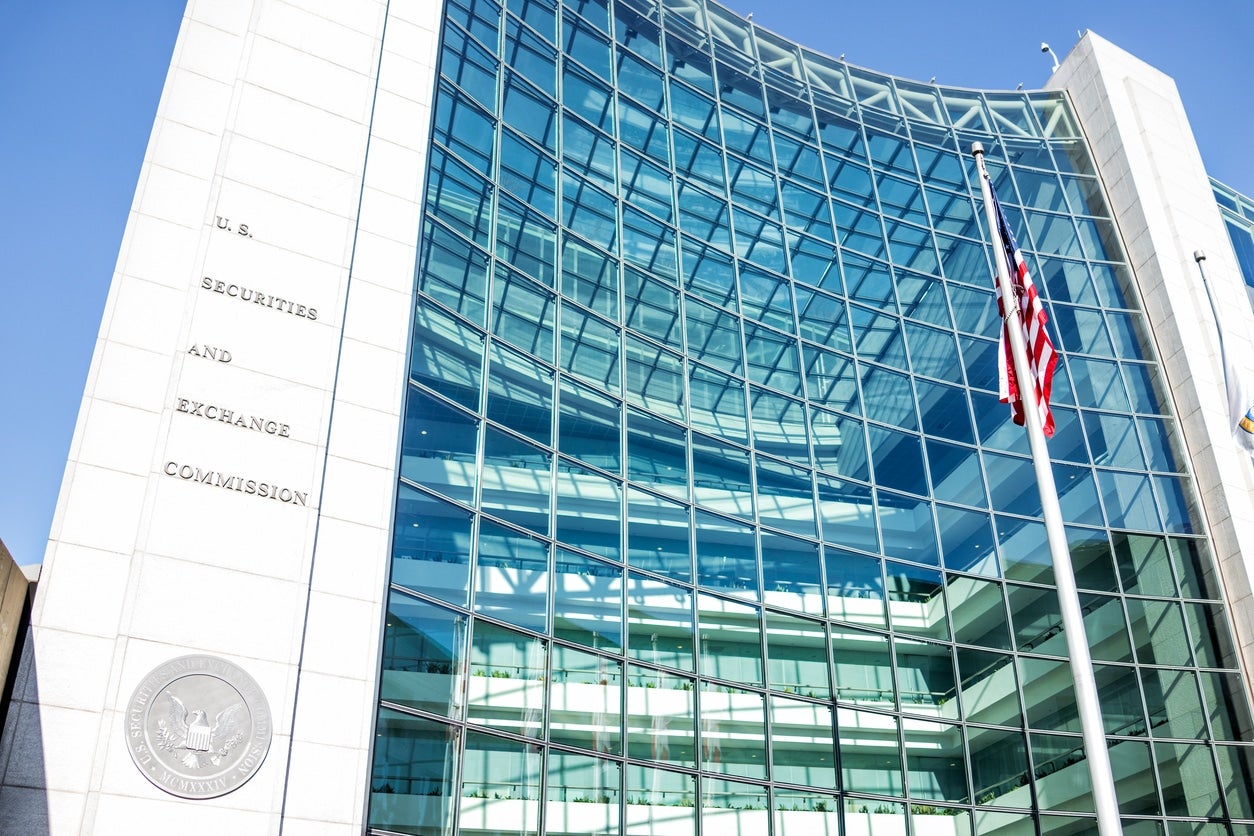
The U.S. Securities and Exchange Commission (SEC) has defended its climate disclosure rules in court in the face of challenges from Republican states and business leaders.
The SEC delayed indefinitely its implementation of the final rule in April after several petitioners, including Liberty Energy Inc., Nomad Proppant Services LLC, the Texas Alliance of Energy Producers, and the Domestic Energy Producers Alliance, argued that the SEC was exceeding its mandate and placing an undue burden on businesses. These petitions were eventually consolidated in the Eighth Circuit Court of Appeals.
The climate rule, properly known as Enhancement and Standardization of Climate-Related Disclosures for Investors, requires public companies to disclose environmental data such as greenhouse gas emissions (GHG) and materiality assessments of climate-related risks to the organization. When the SEC began soliciting feedback on the proposed rule in March 2022, the draft text included extensive requirements for disclosing Scope 3 emissions, which are emissions from other organizations along the supply chain. These contentious elements were eventually omitted, making the final version a considerably watered-down proposal.
SEC Defends Its Authority
In a brief filed with the Eighth Circuit Court, the commission defended its position that disclosing climate-related risk is material to a company's financial performance and strategic outlook, especially when providing information for investors to make risk-based decisions. “As with other risks,” the SEC stated in its brief, “climate-related risks-and a public company's response to those risks-can significantly affect a company's financial performance and position.”
The brief also stated that while many companies already make climate-related disclosures, those disclosures are “inconsistent, difficult to compare, and often boilerplate.” The commission noted its mandate has for decades included requiring disclosures of the financial impact of compliance with environmental laws when it was considered material. “Over 90 years, the Commission has required disclosures in accordance with this understanding of its authority,” stated the SEC. “The Rules are consistent with both the statutes and this longstanding interpretation.”
The commission further addressed the criticism that the proposed rules represent climate activism that goes beyond the scope of its mandate. “These disclosures will address inadequacies of existing climate-related disclosures and assist investors in making more informed decisions regarding securities in their portfolio,” said the commission. “In challenging these rules, petitioners attack a strawman. This case is not about climate change or environmental policy; it is about protecting investors.”
Notably, the argument regarding scope includes reference to the recent Loper Bright decision, also known as the Chevron Doctrine, in which the U.S. Supreme Court ruled that it is now up to the courts to decide if an agency has acted within its statutory authority instead of deferring to agency interpretations of ambiguous statutes. According to the SEC, the demise of Chevron does not impact the climate rule, since the rule is within the scope of its power delegated by Congress.
The commission also disputed the claim that the disclosure rule would place an undue financial burden on companies, stating this same criticism had arisen during the commenting period and that many of the rule's modifications were intended to make required disclosures more useful to investors and less costly.
The commission also said that it had carefully considered the potential impact of the rule on an organization's operational efficiency. It noted the addition of materiality qualifiers to limit disclosures to those that a reasonable investor would consider important, reduced disclosures required in financial statements, and the elimination of the requirements for Scope 3 disclosures, which was one of the most significant and burdensome elements of the original draft.
The climate rule remains indefinitely suspended as arguments continue.
——
Editor's Note: 3E is expanding news coverage to provide customers with insights into topics that enable a safer, more sustainable world by protecting people, safeguarding products, and helping businesses grow. Deep Dive articles, produced by reporters, feature interviews with subject matter experts and influencers as well as exclusive analysis provided by 3E researchers and consultants.


Insights straight to your inbox
Sign Up NowReporter
Graham Freeman
Graham Freeman is based in Toronto, where he covers ESG and sustainability news. Graham has been a content and technical writer in the technology industry for more than a decade. He has also worked as a professor and lecturer at Queen’s University, the University of Toronto, and George Brown College.

Related Resources
News
EU Omnibus Packages Part 5: Omnibus V – Simplifying EU Defense Regulation
News
EU Omnibus Packages Part 4: Omnibus IV — Product Regulation, Simplification, and Compliance
News
Athletes Disqualified at 2026 Winter Olympics Over PFAS
News
EU Omnibus Packages Part 3: Simplifying EU Agricultural Regulation