Related

EU Omnibus Packages Part 5: Omnibus V – Simplifying EU Defense Regulation
EU Omnibus Packages Part 4: Omnibus IV — Product Regulation, Simplification, and Compliance

Athletes Disqualified at 2026 Winter Olympics Over PFAS

EU Omnibus Packages Part 3: Simplifying EU Agricultural Regulation
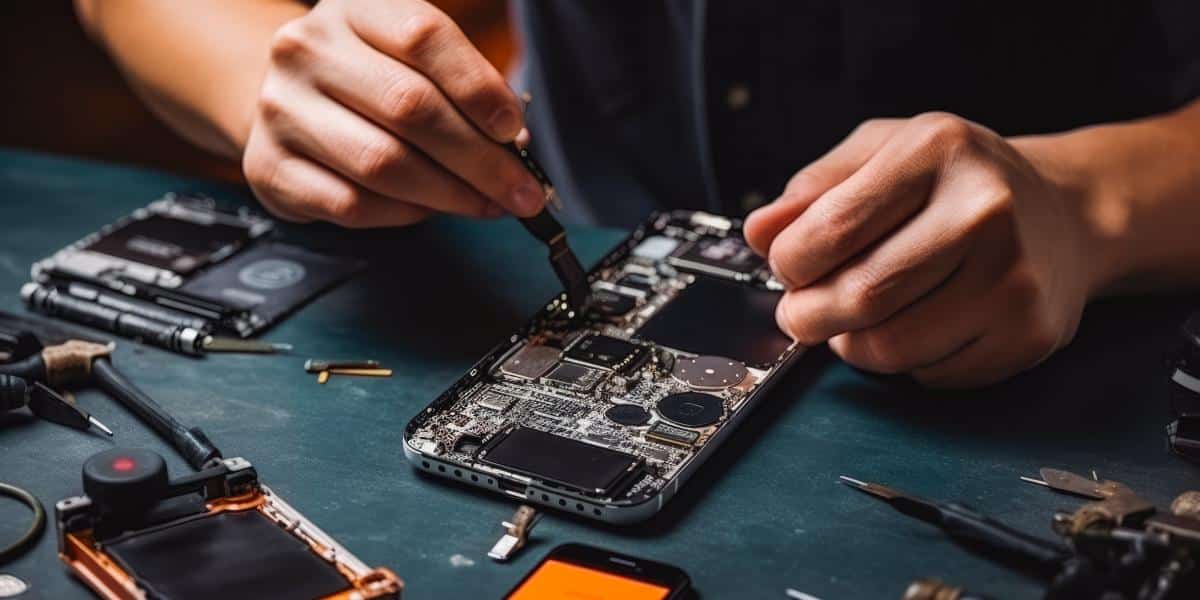
On 30 May 2024, the Council of the European Union adopted a directive promoting the right of consumers to repair broken or defective goods, also known as the Right-to-Repair (R2R) Directive. This directive amends Regulation (EU) 2017/2394, as well as Directive (EU) 2019/771 and Directive (EU) 2020/1828.
The directive enters into force on the twentieth day following its publication in the Official Journal of the European Union, after which member states will have 24 months to apply it.
Supporting the Circular Economy
The directive is part of the EU's push to support a circular economy of reuse, repair, and recycle to eliminate waste and reduce greenhouse gas (GHG) emissions from manufacturing. Repair services will be more accessible and transparent, which will give consumers more incentive to use them before simply disposing of used products and replacing them with new ones.
The definition of goods in scope is defined in Article 2, point (5) of Directive (EU) 2019/771 as follows:
- any tangible movable items except water, gas, and electricity.
- any tangible movable items that incorporate or are inter-connected with digital content or a digital service in such a way that the absence of that digital content or digital service would prevent the goods from performing their functions.
The commission will add to the list of repairable products whenever it introduces new repairability requirements to the directive.
The directive provides the following tools for consumers:
- Manufacturers must repair products that are technically repairable under EU law.
- A voluntary repair form with clear information about repair processes such as deadlines and prices.
- An online platform where consumers can easily find repair services.
- The extension of the legal guarantee with 12 months if consumers choose repair instead of replacement.
Empowering Consumers and Protecting the Planet
The R2R Directive is part of the EU's New Consumer Agenda and the Circular Economy Action Plan, which includes the Ecodesign for Sustainable Products Regulation (ESPR).
The approval comes on the same day the European Investment Bank (EIB) signed a five-year, €17 million loan to Swappie, an innovative Finish startup specializing in iPhone refurbishment. According to research, a refurbished smartphone has a carbon footprint 80% lower than that of new devices.
According to Alexia Bertrand, Belgian State Secretary for the Budget and Consumer Protection, the R2R Directive is a crucial element of supporting the circular economy. “The directive adopted today enshrines a new right for consumers: the right to have defective products repaired in an easier, cheaper, and faster way,” said Bertrand. “It also gives manufacturers the incentive to make products that last longer and can be repaired, reused, and recycled. And finally, it makes repairing a more attractive economic activity that can create Europe-based quality jobs. All economic actors win, and so does the environment.”
———–
Editor's Note: 3E is expanding news coverage to provide customers with insights into topics that enable a safer, more sustainable world by protecting people, safeguarding products, and helping businesses grow. DEEP DIVE articles, produced by reporters, feature interviews with subject matter experts and influencers as well as exclusive analysis provided by 3E researchers and consultants.


Insights straight to your inbox
Sign Up NowReporter
Graham Freeman
Graham Freeman is based in Toronto, where he covers ESG and sustainability news. Graham has been a content and technical writer in the technology industry for more than a decade. He has also worked as a professor and lecturer at Queen’s University, the University of Toronto, and George Brown College.

Related Resources
News
EU Omnibus Packages Part 5: Omnibus V – Simplifying EU Defense Regulation
News
EU Omnibus Packages Part 4: Omnibus IV — Product Regulation, Simplification, and Compliance
News
Athletes Disqualified at 2026 Winter Olympics Over PFAS
News
EU Omnibus Packages Part 3: Simplifying EU Agricultural Regulation