
Related

EU Omnibus Packages Part 5: Omnibus V – Simplifying EU Defense Regulation
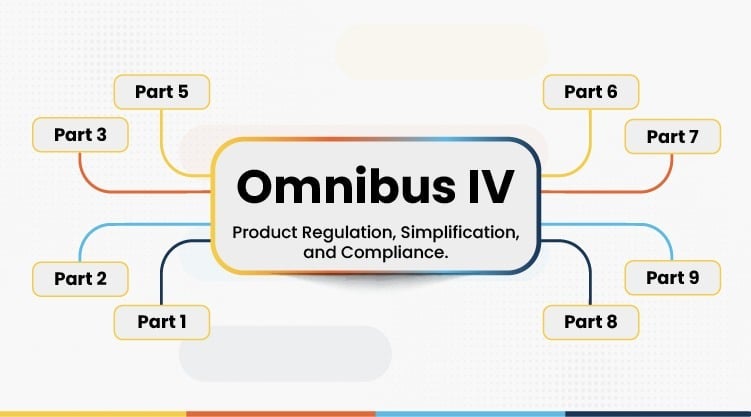
EU Omnibus Packages Part 4: Omnibus IV — Product Regulation, Simplification, and Compliance

Athletes Disqualified at 2026 Winter Olympics Over PFAS

EU Omnibus Packages Part 3: Simplifying EU Agricultural Regulation
As numerous sustainability directives, standards, and regulations inundate the product safety market, particularly in the European Union (EU), product managers are faced with the pressure to modify how they are compiling critical chemical data.
There is a need to understand the goals of these directives and standards and how managing a transparent supply chain helps to meet sustainability and transparency goals. While directives require reporting on traditional ESG metrics like carbon emissions, they also focus on the chemicals and substances used within your supply chain and final product composition.
With increasing scrutiny on chemical safety, understanding regulatory evolution while streamlining the collection and evaluation of chemical and substance data is vital.
Current Challenges in Regulatory Compliance
Let's start with just a few examples what product stewards, compliance managers, and sustainability professionals are up against:
EU Taxonomy Regulation (2020/852/EU):
- Goal: Reorient capital flows to focus on sustainable investments and business activities including areas such as circular economy, renewable energy, and biodiversity.
Sustainable Financial Disclosure Regulation (SFDR, EU) 2019/2088
- Goal: Increase transparency of ESG investment products, improve their comparability, avoid greenwashing and ultimately redirect capital flows toward sustainable activities.
The Corporate Sustainability Due Diligence Directive (CSDDD / CS3D)
- Goal: Promote sustainable business practices within the EU by ensuring that companies are held accountable for the social and environmental impacts of their business activities.
In addition, companies must be aware of The Corporate Sustainability Reporting Directive (CSRD), which is comprehensive, and references the Registration, Evaluation, Authorisation and Restriction of Chemicals (REACH) and the Regulation on the classification, labelling and packaging of substances and mixtures (CLP Regulation), among other topics.
It doesn't stop there. Numerous other provisions apply to product safety, and it is reasonable to forecast that this trend will continue in the future. While the EU is leading the market in instituting sustainability requirements and directives, global ESG rating frameworks, like MSCI and GRI, require chemical safety disclosures as well.
For example, MSCI determines a company’s chemical safety risk exposure based on:
- % of revenue from product lines that typically contain substances of very high concern (SVHC) and Substitute it Now (SIN) List substances
- % of revenue in markets with strengthening or evolving chemical regulations
Management of that risk can be rewarded through company initiatives to disclose, phase-out, or provide hazardous assessments on chemicals.
Why Chemical Data Matters for Sustainability
When considering the extensive chemical composition within products and the safety hazards associated with them, it is necessary to collect comprehensive data to support safety decisions. You have to know what chemicals you are working with – not only at your central manufacturing location, but also up-and-down your supply chain. This requires communication and transparency with your suppliers so that you have the full picture.
Comprehensive chemical data is foundational to advancing supply chain sustainability, here's why:
- Data helps you report on certain parameters so that you meet a plethora of sustainability standards.
- Data helps you make better decisions when determining which chemicals/substances that you are using are (or will in the future) violate standards and lead to noncompliance or the risk of noncompliance. When you know what chemicals are in your products and where they exist in the supply chain and workflow, you can develop a plan to remove and replace them with safer alternatives.
In essence, you cannot sustainably source materials or dispose of waste if you don't have a comprehensive understanding of product composition.
Automation as a Key Enabler
- In addition to good data, organization and automation are key to making your workflows more efficient and can save you time.
- It is helpful to have automated outreach and reminders to suppliers to confirm your understanding of which chemicals are used at each phase of product workflow.
- Automated compliance checks against regulatory lists are a highly necessary part of your process so that you may flag non-compliant chemicals/substances quickly and efficiently – with goal of substituting chemicals with safer alternatives.
3E Exchange introduces automation at all phases of the compliance journey, streamlining regulatory news coverage, supplier data collection, and evaluation of responses against regulatory lists to confirm compliance.
Achieving True Transparency
Chemical safety, meeting reporting requirements, and transparency go hand-in-hand. In fact, sustainability requires transparency. Comprehensive data is the foundation for achieving both compliance and sustainability, particularly as sustainability directives continue to emphasize chemical and product safety.
In addition, transparency requires you to communicate clearly and effectively with suppliers (and, in turn, for suppliers to keep records that help them communicate with you). You could consider whether your suppliers are trustworthy before making commitments and you could also consider contractual arrangements with them that guarantee stress-free communication.
The Road Ahead
Given that requirements in the product safety space are constantly changing, horizon scanning via news is a step that you should take to stay informed. CAS numbers mentioned in regulations can assist in figuring out which chemicals are in your products; however, once you know these numbers (and your chemicals), you must keep track of when new requirements cover these chemicals and take action accordingly. Having your actual physical product info/data in a software solution can cut down on the time needed to understand the impact of new requirements and adjust by finding alternatives that more closely align with policy decisions.
Explore 3E Insight which pairs 3E regulatory data, expert news monitoring and analysis, and your product data to keep you up to speed on regulatory changes that impact your portfolio.
Thus, being sustainable and transparent has everything to do with your supply chain data and chemical safety. By identifying the chemicals in your product, collecting data, recognizing compliance needs, making the most of technology, and keeping an open line of communication with your suppliers, you are one step forward to meeting requirements as global markets embrace a green, and circular economy.


Insights straight to your inbox
Sign Up NowRelated Resources
News
EU Omnibus Packages Part 5: Omnibus V – Simplifying EU Defense Regulation
News
EU Omnibus Packages Part 4: Omnibus IV — Product Regulation, Simplification, and Compliance
News
Athletes Disqualified at 2026 Winter Olympics Over PFAS
News
EU Omnibus Packages Part 3: Simplifying EU Agricultural Regulation