Related

EU Omnibus Packages Part 5: Omnibus V – Simplifying EU Defense Regulation

EU Omnibus Packages Part 4: Omnibus IV — Product Regulation, Simplification, and Compliance

Athletes Disqualified at 2026 Winter Olympics Over PFAS

EU Omnibus Packages Part 3: Simplifying EU Agricultural Regulation
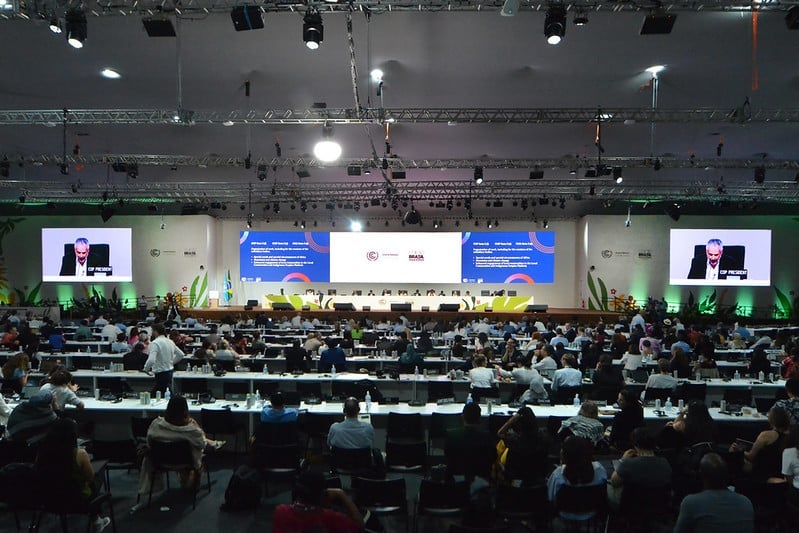
With much of the world in political disarray and the U.S. not in attendance, COP30 faced a difficult journey toward an agreement to reduce the emissions that are contributing to global warming and the consequent severe weather around the world. Unfortunately, the outcome is likely a disappointment even to those who had low expectations before the conference began.
The final agreement is what might best be referred to as a compromise. By the final morning of the summit, there was still no consensus in place for an agreement on reducing fossil fuels. Despite the fact that the resolution from COP28 in the United Arab Emirates two years ago referred to the need to “transition away from fossil fuels“, petrostates like Saudi Arabia and Russia refused to include any reference to fossil fuels in the new agreement.
Eventually, Saudi Arabia agreed to a reference to the “UAE consensus,” which avoided explicitly calling out fossil fuels but was seemingly enough to placate the nations looking for stronger commitments to reduce fossil fuel emissions, which are generally agreed to be the most significant source of the greenhouse gases (GHG) contributing to climate change.
Several nations, including Colombia, Panama, and the EU, objected to the final text but agreed not to block the final deal before the plenary.
“Many countries wanted to move faster on fossil fuels, finance, and responding to spiraling climate disasters,” said Executive Secretary of the United Nations Framework Convention on Climate Change (UNFCCC) Simon Stiell in the closing ceremonies. “I understand that frustration, and many of those I share myself.”
Many environmental advocates lamented the end result and the lack of commitment to the goals of the conference.
“COP30 started with a bang of ambition but ended with a whimper of disappointment,” said Deputy Programme Director of Greenpeace International Jasper Inventor in a press release. “This was the moment to move from negotiations to implementation - and it slipped. The outcome failed to match the urgency demanded. The 1.5°C limit is not just under threat, it's almost gone. It's this reality that exposes the hypocrisy of inaction of COP after COP after COP.”
Also absent from the final agreement is any reference to deforestation, which is perhaps surprising given that COP30 took place on the edge of the Brazilian rainforest. Further, President Lula's initiative for a fund dedicated to rainforest protection got off to a difficult start, with only $6.6 billion in pledges compared to a target of $25 billion.
“Forests are at the crossroads of climate change and biodiversity loss, and the 1.5°C solution is reliant on protecting them,” said Biodiversity Politics Expert at Greenpeace International An Lambrechts in the press release. “Many parties supported this but all we got was voluntary engagements - an open invitation for industries like big agriculture to keep banking dirty profits from forest destruction. The truth about the 'COP of truth' in the Amazon is that it delivered very little for forests.”
Not All Bad News: The Way Forward
While there was no official U.S. delegation at the conference, the general tenor of President Donald Trump's attacks on the fight against climate change was clear in the divisions regarding the path toward a sustainable future.
“We knew this COP would take place in stormy political waters,” said Stiell. “Denial, division, and geopolitics have dealt international cooperation some heavy blows this year.”
Stiell noted, however, that despite the acrimony and the notable absence of the U.S., 194 countries chose unity, science, and economic common sense.
“I'm not saying we're winning the climate fight, but we're undeniably still in it, and we are fighting back.”
Indeed, despite the failures regarding deforestation and fossil fuel emissions, there were successes.
Funding for climate adaptation in vulnerable nations could triple, according to the final agreement. The previous pledge of $40 billion from COP26 in 2021 could reach $120 billion per year by 2035, although the details of how that will happen are vague. The final number could also be far less than is required, as the UN has estimated vulnerable nations will require at least $310 billion per year to protect themselves from the impacts of climate change.
Delegates also requested that the upcoming 64th Sessions of the UNFCCC Subsidiary Bodies in June 2026 recommend a draft decision to establish a just transition mechanism to ensure that the climate transition accounts for the rights of workers, women, communities at risk, and Indigenous populations.
Indigenous peoples had a larger role than ever at a COP, with 2,500 Indigenous people attending the summit and with Indigenous leadership present in some of the climate negotiations. However, only about 360 were granted access to the restricted Blue Zone area for official negotiations.
Brazil also announced that it will recognize ten new Indigenous lands, which will establish and recognize the physical parameters of the area for the exclusive use of the communities living there.
Oil Lobbyists Increase Their Presence
According to the advocacy group Kick Big Polluters Out (KBPO), one in every 25 participants at COP30 was an oil industry lobbyist. That means the oil lobby accounted for 1,600 attendees, which outnumbered the delegates from every nation except host country Brazil.
That number represents a rise of 12% from the previous COP in Baku, Azerbaijan. According to the KBPO, oil lobbyists received 60% more passes than the delegates from the ten nations most vulnerable to the impact of climate change.
Environmental advocates decried the presence and influence of the lobbyists at a conference dedicated to reducing carbon emissions and fighting climate change.
In a press release, Lili Fuhr, Fossil Fuel Economy Director at the Center for International Environmental Law (CIEL), said that the presence of such large numbers of lobbyists meant that the oil industry had “deeply infiltrated the talks, pushing dangerous distractions like CCS and geoengineering.”
However, Fuhr also said that the presence of the lobbyists had galvanized the resolve of those fighting to reduce the impact of fossil fuel emissions on the environment, and that “this unprecedented corporate capture has met fiercer resistance than ever with people and progressive governments - with science and law on their side - demanding a climate process that protects people and planet over profit.”


Insights straight to your inbox
Sign Up NowReporter
Graham Freeman
Graham Freeman is based in Toronto, where he covers ESG and sustainability news. Graham has been a content and technical writer in the technology industry for more than a decade. He has also worked as a professor and lecturer at Queen’s University, the University of Toronto, and George Brown College.

Related Resources
News
EU Omnibus Packages Part 5: Omnibus V – Simplifying EU Defense Regulation
News
EU Omnibus Packages Part 4: Omnibus IV — Product Regulation, Simplification, and Compliance
News
Athletes Disqualified at 2026 Winter Olympics Over PFAS
News
EU Omnibus Packages Part 3: Simplifying EU Agricultural Regulation