Related

EU Omnibus Packages Part 5: Omnibus V – Simplifying EU Defense Regulation
EU Omnibus Packages Part 4: Omnibus IV — Product Regulation, Simplification, and Compliance

Athletes Disqualified at 2026 Winter Olympics Over PFAS

EU Omnibus Packages Part 3: Simplifying EU Agricultural Regulation
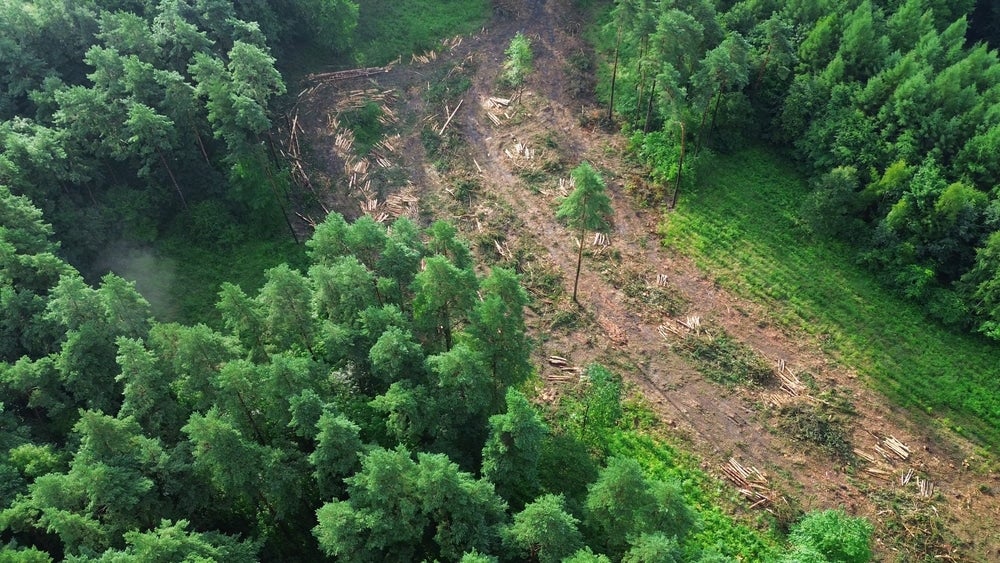
The European Commission released its proposed amendments to the EU Deforestation Regulation (EUDR) on October 20, 2025. While the EUDR has been a contentious issue in the EU since it was first introduced in 2023, the most recent proposal does not go as far toward deregulation as many supporters had feared.
The proposed amendments include targeted simplifications to ensure a smooth implementation of the EUDR for both EU member states and third countries. The Commission has also attempted to address criticisms that the information and data-management technology systems supporting the regulation are not yet robust or accessible enough for the many small operators that provide product materials along the supply chain.
Downstream operators and traders, such as retailers and large EU manufacturers, will no longer be required to submit due diligence statements. Instead, only one submission to the EUDR IT system will be required for the entire supply chain at the point of entry into the market, with the operator first placing the product on the market being responsible for the reporting.
Micro and small primary operators will only need to submit a single declaration to the IT system, eliminating the need for regular submissions of due diligence statements. If that information is already available, operators do not have to take any action in the IT system.
There will also be a transition period to accommodate the higher-than-anticipated load on the IT system, which is necessary to ensure it can manage the volume of due diligence statements submitted by operators. For micro and small enterprises, the EUDR will enter into application on December 30, 2026. It will apply to large and medium companies on December 30, 2025, but there will be a six-month grace period on checks and enforcement so businesses can adapt to the requirements.
Late Amendments Bring Both Relief and Concern
The EUDR requires that operators placing products on the EU market or exporting products from the EU market demonstrate due diligence to guarantee that none of the products result from deforestation or forest degradation occurring after December 31, 2020. It applies to cattle, cocoa, coffee, oil palm, rubber, soy, wood, and their derived materials.
The EUDR was originally intended to apply to all EU member states from December 30, 2024. However, after pressure from industry and the right-wing European People's Party (EPP), the EU initiated a one-year delay to implementation until December 30, 2025, with additional classifications introduced in April 2025 that reduced the administrative compliance burden for companies by up to 30%.
While the amendments do not go as far as advocates of deregulation might have hoped, some experts see the late date at which they were proposed as a potential problem for companies seeking to manage their compliance.
“It's encouraging to see the commission recognize the need to ease some of the regulatory burden, particularly for smaller operators who've faced real challenges with the EUDR requirements,” said 3E Materials and Sustainability Regulatory Manager Cassidy Spencer. “Still, it's surprising to see these amendments emerging so close to the end-of-December application date. Many companies have already invested significant time and resources preparing under the current framework, so late changes like this can create additional panic at a critical moment.”
EU MEP and Coordinator of the Committee on the Environment, Public Health, and Food Safety Pascal Canfin noted in a statement on LinkedIn that while the decision to amend and not postpone the implementation of the EUDR is a positive step, the simplification for micro and small enterprises could present future problems. He pointed out that these operators must meet four conditions: production must occur in a low-risk country; the company must have fewer than 50 employees and less than €10 million in turnover; the company must produce the products directly and not be a processor; and the company must place the commodities on the market itself.
Canfin emphasized that while these amendments might seem reasonable, they offer potential loopholes for operators engaged in illegal deforestation practices, allowing countries such as Russia and Belarus to circumvent the rules.
“At this stage, these amendments do not appear to undermine the integrity of the regulation,” said Canfin. “However, several gray areas remain, and the risk of fraud is clearly higher than before. As the rapporteur for my political group on this file, and pending a full examination, I will not support any amendment going beyond what is currently on the table. I hope that a majority including the EPP in the European Parliament will share this position.”
The proposal will now go to the Parliament and the Council for discussion. The Commission said that it hopes for swift adoption before the end of 2025.


Insights straight to your inbox
Sign Up NowReporter
Graham Freeman
Graham Freeman is based in Toronto, where he covers ESG and sustainability news. Graham has been a content and technical writer in the technology industry for more than a decade. He has also worked as a professor and lecturer at Queen’s University, the University of Toronto, and George Brown College.

Related Resources
News
EU Omnibus Packages Part 5: Omnibus V – Simplifying EU Defense Regulation
News
EU Omnibus Packages Part 4: Omnibus IV — Product Regulation, Simplification, and Compliance
News
Athletes Disqualified at 2026 Winter Olympics Over PFAS
News
EU Omnibus Packages Part 3: Simplifying EU Agricultural Regulation