Related

EU Omnibus Packages Part 5: Omnibus V – Simplifying EU Defense Regulation
EU Omnibus Packages Part 4: Omnibus IV — Product Regulation, Simplification, and Compliance

Athletes Disqualified at 2026 Winter Olympics Over PFAS

EU Omnibus Packages Part 3: Simplifying EU Agricultural Regulation
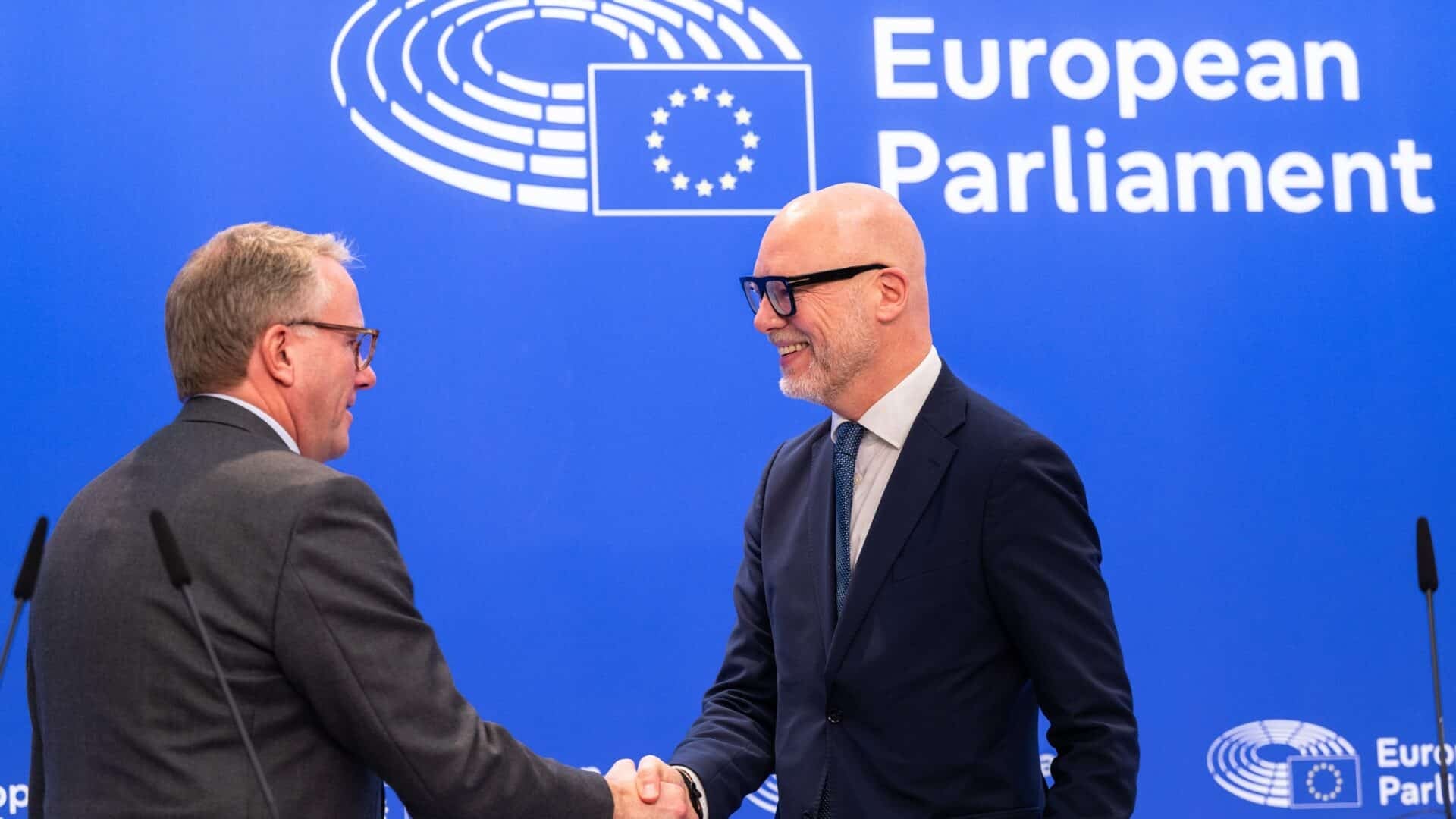
The European Union (EU) Council and Parliament have reached a tentative agreement on the Omnibus proposal to simplify reporting and due diligence requirements and promote competitiveness for European businesses.
The Omnibus has been the subject of intense negotiations since it was first proposed on February 26, 2025, in response to criticism in the Draghi Report about the impact of sustainability regulations on EU competitiveness. The Omnibus proposed simplifications and a reduction of scope to the Corporate Sustainability Reporting Directive (CSRD) and the Corporate Sustainability Due Diligence Directive (CSDDD), which are two of the primary elements of the EU Green Deal.
Parties on the left, however, such as the Socialists and Democrats (S&D) and Renew Europe, have tried to retain as much of the original intention of the CSRD and CSDDD as possible.
In recent weeks, the center-right governing European People's Party (EPP), having failed to get the support it needed for its proposed deep cuts, has looked to right-leaning parties, such as the European Conservatives and Reformists (ECR) and the Patriots of Europe, which has created a dramatic and adversarial atmosphere during negotiations. Supporters of the Green Deal accused EPP lead negotiator Jörgen Warborn of partnering with the far right to sideline objections from the left and push through a radical version of the Omnibus.
At a press conference, Danish Minister for Industry, Business, and Financial Affairs Morten Bødskov said that a changing global market, as well as geopolitical turmoil, have challenged the Green Deal's original logic that complex sustainability regulations would produce more jobs and a stronger economy.
“We are under pressure,” said Bødskov. “We are challenged from China in the east with state aid, and we're challenged from the west with new tariffs and tariff wars. So we have to bring Europe in a much more competitive position, and Omnibus I package and the achievement that we have done here with this agreement is a major step forward.”
Bødskov said that although the focus of the Omnibus was competitiveness, it does not leave behind the ambition to support the transition to a green economy.
“What we have done with the Omnibus I package is to pave the way for more green investment, creating more green growth, and creating more green jobs,” said Bødskov.
Reduced Scope and Weakened Due Diligence
The scope of the CSRD will be 1,000 employees or more and will remove listed SME (small- medium-sized enterprises) from its scope. Net turnover for companies in its scope will be €450 million with exemptions for financial holding undertakings. There will also be a transition period for companies in the first wave of reporting for 2024, taking them out of scope for 2025 and 2026.
For CSDDD, the threshold will be 5,000 employees and €1.5 billion net turnover. Companies will not be obligated to perform assessments along their entire supply chain and can instead take a risk-based approach that focuses on those areas where adverse impacts are most likely to occur and to prioritize direct business partners. They can also conduct more general scoping exercises instead of general mapping exercises and base their efforts on reasonably available information.
Penalties will be limited to a maximum of 3% of a company's net worldwide turnover, and the requirement to develop transition plans for climate change mitigation is removed. The transposition deadline for CSDDD is also postponed by an additional year to July 26, 2028.
Omnibus Supporters and Opponents Respond
At the press conference, Warborn said that while the original Omnibus proposal from the Commission anticipated €4.5 billion in annual savings to businesses from reduced reporting costs, the parliament and council have delivered an agreement that will go far beyond that.
“This agreement brings historic cost reductions,” said Warborn. “There is no other single file that cut reporting costs more than this one in the history of the European Union.”
However, there is little support among sustainability advocates. In a press release, Interim Head of EU policy at ShareAction Richard Gardiner said the deal marks one of the most troubling chapters in the EU's sustainability agenda.
“This compromise remains an alarming dismantling of good policymaking and removes some of the most important tools Europe had at its disposal,” said Gardiner. “Climate transition plan obligations have been deleted, and civil liability – the mechanism that ensures companies can be held accountable when they cause harm – has been cast aside to appease short-term political gain. These losses matter. They do not make Europe more competitive. Instead, they weaken Europe's unique competitive edge.”
Gardiner also said that the biggest warning comes from the Omnibus process itself, which he called undemocratic and detached from evidence.
“Far-right pressure shaped these negotiations at every stage,” said Gardiner. “The question now is whether the EU will continue to bend to extremism or choose a long-term vision that protects people, the planet, and Europe's credibility.”


Insights straight to your inbox
Sign Up NowReporter
Graham Freeman
Graham Freeman is based in Toronto, where he covers ESG and sustainability news. Graham has been a content and technical writer in the technology industry for more than a decade. He has also worked as a professor and lecturer at Queen’s University, the University of Toronto, and George Brown College.

Related Resources
News
EU Omnibus Packages Part 5: Omnibus V – Simplifying EU Defense Regulation
News
EU Omnibus Packages Part 4: Omnibus IV — Product Regulation, Simplification, and Compliance
News
Athletes Disqualified at 2026 Winter Olympics Over PFAS
News
EU Omnibus Packages Part 3: Simplifying EU Agricultural Regulation