Related

EU Omnibus Packages Part 5: Omnibus V – Simplifying EU Defense Regulation
EU Omnibus Packages Part 4: Omnibus IV — Product Regulation, Simplification, and Compliance

Athletes Disqualified at 2026 Winter Olympics Over PFAS

EU Omnibus Packages Part 3: Simplifying EU Agricultural Regulation
On 10 March 2025, an oil tanker and a container ship collided in the North Sea. The resulting explosions and fires caused the death of a crew member and resulted in a spill of 17,515 barrels of aviation fuel, causing a significant environmental event. Cleanup crews quickly realized there was another hazard lurking on board the container ship: plastic pellets.
The 5 millimeter pellets quickly dispersed, carried on waves and the air, making them impossible to contain. They began washing ashore a week later in the Wash and North Norfolk Coast Special Area of Conservation, an internationally important, protected area and a habitat for rare and threatened terns and wading birds, according to the U.S. Public Interest Research Group (PIRG) Education Fund.
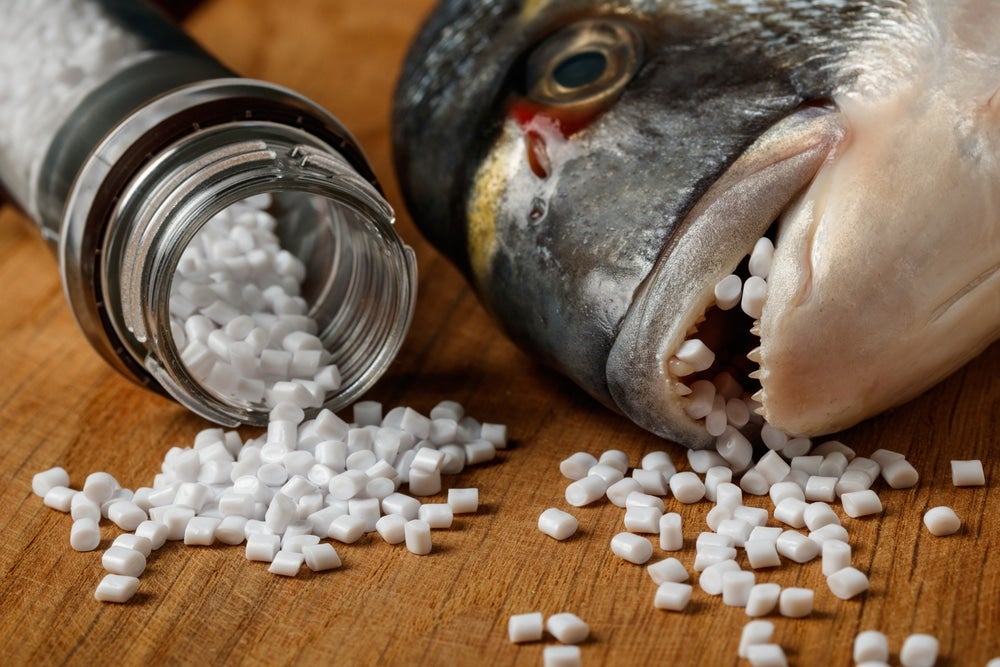
Both the plastic particles and the chemical additives within all varieties of microplastics are serious concerns. “Plastic pellets are often mistaken for food by many animals, especially birds and fish. If they eat too many, they can starve to death, as plastic can block their digestive tracts. If we eat a fish that has eaten a pellet or another type of microplastic, both the plastic and its associated chemicals can be passed on to us,” Kelly Leviker, Beyond Plastic advocate at PIRQ, told 3E.
Fast forward three weeks to just after midnight on 9 April 2025, when the European Parliament, the European Council, and the European Commission struck a late-night provisional agreement on the long-awaited EU regulation to prevent plastic pellet losses to the environment. The provisional regulation was initially proposed in October 2023, after a petition signed by 90,000 Europeans galvanized parliamentarians, who voted 538 to 32 in favor of adopting binding rules in place of voluntary recommendations.
“Today's provisional agreement marks another important step toward a cleaner and healthier planet. All ecosystems will benefit from these new handling measures to limit pellet losses,” said Jessika Roswall, EU commissioner for Environment, Water Resilience, and a Competitive Circular Economy. “Businesses that depend on these ecosystems will have a better environment to thrive in. By maintaining lighter requirements for small companies, we've developed smart environmental legislation, positioning the EU as a global leader in reducing pellet losses and a smart regulator that avoids unnecessary burden.”
According to the EU, the new rules are expected to reduce plastic pellet losses by up to 74%, which will help preserve ecosystems and biodiversity, reduce health risks, and improve the sector’s reputation.
“This agreement represents a tremendous show of EU leadership in the global fight against microplastic pollution,” said Amy Youngman, legal and policy specialist for the Environmental Investigation Agency. The EU has recognized plastic pellets for what they are: a major source of microplastic pollution and a serious environmental threat, she added, telling 3E: “Binding prevention rules, supply chain obligations, and maritime measures are major steps forward.”
Taking note of “loopholes, delays, and arbitrary exemptions and thresholds risk” that could blunt the impact of the regulation, Youngman insisted that “now is the time to back bold words with bold action and ensure this law is delivered in practice.”
Action Steps, Not Just Words
The deal preserves a clear “zero pellet loss” objective and introduces a hierarchy of action, with prevention as the top priority, followed by spill containment. Should prevention and containment fail, clean-up of pellet spills and losses is required. This, combined with mandatory measures to use appropriate packaging, equipment, training, and infrastructure, “marks a significant improvement over existing voluntary initiatives and reflects growing recognition that only proactive spill prevention can effectively reduce microplastic pollution,” according to a press release issued by the Rethink Plastic Alliance.
“Plastic pellet reporting has been a long time coming,” chimed in Cassidy Spencer, sustainability regulatory research analyst, 3E. “While oil, chemical, and hazardous substance spills have long been subject to strict reporting and containment requirements, plastic pellets - despite their widespread and persistent environmental harm - have largely flown under the radar. Applying the same level of regulatory rigor to pellet loss is a necessary and overdue step toward addressing diffuse pollution with the seriousness it deserves.”
Maritime Sector
The provisional regulation also follows a true supply chain approach, addressing spills and losses from all actors - both EU and non-EU - across all stages, from production to conversion, transport, storage, cleaning, and reprocessing. Crucially, the maritime sector was included in the scope of the regulation - something advocates say is long overdue. While acknowledging the fact that the regulation has made what were previously voluntary International Maritime Organization (IMO) recommendations legally binding, the advocates called the added one-year transition period “an excessive and unjustified delay, given that many European vessels already follow these IMO recommendations.”
“The commission got it right by adopting a supply chain approach to ensure a uniform implementation of prevention and clean-up measures,” said Frédérique Mongodin, senior marine litter policy officer with Seas At Risk.
The inclusion of maritime transport was a welcome addition, she said, likely driven by recent container ship accidents. She voiced concern about what she called “an unjustified three-year delay,” adding: “It is high time these binding rules replaced existing voluntary guidelines to ensure pellets are treated by operators as the hazardous pollutant they are, not just cargo.”
Mandatory Audits and Supply Chain Transparency
Both EU and non-EU carriers will now be subject to mandatory reporting on plastic pellet losses, introducing a baseline for tracking compliance. While real-time reporting and independent verification are not yet required, the regulation includes enhanced obligations to report any losses resulting in adverse effects on human health or the environment, alongside details on quantities lost, causes of loss, and clean-up measures taken. While annual loss figures will still be based on operator estimates, these improvements mark a step forward from earlier drafts.
To reduce the administrative burden for small companies, only a self-declaration will be required for companies that handle fewer than 1,500 tonnes of plastic pellets per year. In addition, smaller companies will benefit from special assistance to help them comply.
The provisional regulation includes mandatory independent audits for medium and large operators - those handling over 1,500 tonnes of plastic pellets per year - who must obtain a certificate of conformity issued by an accredited certifier. This introduces a third-party check on compliance, moving beyond voluntary self-assessment and initiatives like Operation Clean Sweep. However, by excluding smaller operators, the regulation failed to follow the official recommendation on the reduction of pellet loss that the OSPAR Regional Sea Convention made in 2021, which stated that “the certification system should apply to organizations of all sizes without exception” to ensure comprehensive prevention measures.
This exemption of the majority of small- and medium-sized enterprises (SMEs) from third-party auditing is a major loophole, said advocates. SMEs make up 98% of the plastics conversion sector and 97% of transport and storage. Even small companies handling above the 1,500-tonne threshold are only required to obtain certification once - five years after the regulation takes effect. (For context, 1,500 tonnes is the approximate equivalent of 75 billion pellets handled annually by a single facility.)
As a result, the exemption allows for the exclusion of “significant numbers of industrial pellet handlers, risking widespread and unchecked compliance,” said the Rethink Plastic Alliance. “Without regular oversight, this approach undermines the regulation's core objective of comprehensive, supply chain-wide prevention.”
Lucie Padovani, marine litter lobbying officer for Surfrider Foundation Europe, pointed out that despite the EU's commitment to reduce microplastic pollution by 30% by 2030, emissions are actually increasing, including in the ocean. “With microplastics detected in human blood and organs, there is no room for half-measures. Applying lighter requirements to SMEs in the name of simplification could create a loophole that exempts them from accountability. It would mean citizens and SMEs from other sectors - as well as wastewater treatment operators - will continue to bear the costs of this pollution.”
Spencer said she has read numerous comments about how the new regulation doesn't take an aggressive enough approach via tonnage exclusions. “While I agree the environment does not care where the pellets come from - whether SME or large company - these requirements align with both MARPOL and EU Directive 2012/18. These reporting requirements are applicable based on the scale, not company size alone. This seems to be the standard when reporting on different hazardous substances. It is important to note SMEs can still fall within scope if their activities meet the relevant threshold.”
Plastic Pellet Exemptions Reflect Other EU Deregulation
“This mirrors broader deregulatory efforts under the new European Commission, echoing structural weaknesses in the name of simplification,” added Youngman. “Still, the regulation lays a crucial foundation - but implementation must be swift and all actors must take this seriously, otherwise Europe will fall short of its microplastic reduction goals.”
With this provisional regulation, the EU has taken what advocates call a meaningful first step towards addressing pellet pollution. However, they insisted, implementation must be swift, loopholes must be closed, and enforcement must be guaranteed.
“With an estimated 10 trillion plastic pellets entering our oceans each year, along with a constant stream of news stories about pellet spills, it's refreshing to see a large government block taking action,” said Kelly Leviker, Beyond Plastic advocate with the Public Interest Research Group. “Plastic pellet pollution is wholly preventable, and just adds to our growing microplastic problem. We hope that more governments, in the United States and around the world, use the European Union's new rules as a framework to take concrete action addressing the threat plastic pellets pose to our health and environment.”
The European Parliament and the European Council will formally have to adopt the provisional regulation before it can enter into force, which will occur 20 days after its publication in the Official Journal of the EU.
“What can be found both in the depths of ocean and at the summit of Mount Everest, mostly invisible to the human eye, yet present in our bloodstream, and will not disappear for thousands of years? Yes, that's right, microplastics,” said Virginijus Sinkevičius, EU Commissioner for Environment, Oceans and Fisheries, when the regulation was proposed in 2023. “Once these small particles of plastic are in our environment, they are almost impossible to clean up. Microplastics are pervasive and we need to stop the pollution at the source.”
—
Editor's Note: 3E is expanding news coverage to provide customers with insights into topics that enable a safer, more sustainable world by protecting people, safeguarding products, and helping businesses grow. Deep Dive articles, produced by reporters, feature interviews with subject matter experts and influencers as well as exclusive analysis provided by 3E researchers and consultants.


Insights straight to your inbox
Sign Up NowIndustry Editor
Sandy Smith
Sandy Smith is an award-winning newspaper reporter and business-to-business journalist who has spent 20+ years researching and writing about EHS, regulatory compliance, and risk management and networking with EHS professionals. She is passionate about helping to build and maintain safe workplaces and promote workplace cultures that support EHS, and has been interviewed about workplace safety and risk management by The Wall Street Journal, CNN, and USA Today.

Related Resources
News
EU Omnibus Packages Part 5: Omnibus V – Simplifying EU Defense Regulation
News
EU Omnibus Packages Part 4: Omnibus IV — Product Regulation, Simplification, and Compliance
News
Athletes Disqualified at 2026 Winter Olympics Over PFAS
News
EU Omnibus Packages Part 3: Simplifying EU Agricultural Regulation