
Related

EU Omnibus Packages Part 5: Omnibus V – Simplifying EU Defense Regulation
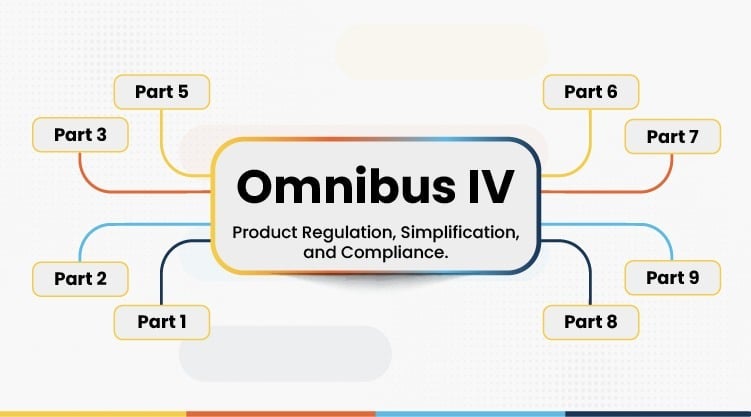
EU Omnibus Packages Part 4: Omnibus IV — Product Regulation, Simplification, and Compliance

Athletes Disqualified at 2026 Winter Olympics Over PFAS

EU Omnibus Packages Part 3: Simplifying EU Agricultural Regulation
The Trump administration is taking steps to overhaul the way the U.S. Environmental Protection Agency (EPA) governs chemical safety screenings and has indicated it could loosen safety standards at U.S. chemical plants.
These developments have led many public safety advocates, environmental groups, and industry officials to take a pragmatic wait-and-see approach regarding future chemical safety regulations.
The EPA announced on 10 March 2025 that it is considering changing how it conducts public safety checks for the market's toxic chemicals. The agency may scale back its review process to, it claims, ensure efficiency while maintaining public health and environmental protection.
If implemented, EPA Administrator Lee Zeldin says these changes will allow the agency to develop a “path forward” to a timely review of chemicals.
“Chemicals are a vital part of our country's economy,” Zeldin said. “Our manufacturing and industrial sectors should have safe access to the chemicals necessary to advance and improve our daily lives through the production of products including household goods, electronics and other technologies.”
The EPA assesses chemical safety by screening chemicals based on their hazard and exposure characteristics to identify whether certain chemicals in commerce need further assessment. This process is part of the EPA’s Toxic Substances Control Act (TSCA), which involves a three-stage approach - prioritization, risk evaluation, and management - to ensure the safety of existing chemicals.
Other Proposed Changes
Among other changes, the EPA is considering adding language to the regulation that assumes any employee who handles potentially toxic chemicals will always wear personal protective equipment (PPE). PPE aims to minimize the risk of injury or illness to a worker by providing items like safety glasses, gloves, respirators, and safety harnesses.
Salvo Health CEO Jeff Glueck suggested that rolling back the EPA's original safety rules contradicts one of the goals in President Trump's Make America Healthy Again agenda, which seeks to address chronic diseases by lowering toxic exposures. He also expressed that it could potentially lead to increased harm for Americans.
“Real tension between a good goal of MAHA to address chronic diseases by lowering the toxic exposures on Americans and the complete control of the EPA that this administration has given to Big Chemical and pesticide makers. MORE POISONING coming,” Glueck wrote on X (formerly known as Twitter).
However, the American Chemistry Council (ACC) feels differently.
ACC represents more than 190 chemical companies and views the EPA's plans as an opportunity to boost the demand for chemical production and make the U.S. chemical industry more competitive globally.
“[This] announcement outlines a path forward to improving timeliness and predictability in TSCA existing chemicals reviews. We are pleased the Trump administration recognizes the importance of basing regulatory decisions on the best available science,” ACC President and CEO Chris Jahn said.
Additionally, the Trump administration is also looking into streamlining chemical reviews, potentially making it easier to approve new chemicals by narrowing the scope of reviews and examining whether all uses of a chemical need to be assessed during the review period. This initiative could weaken regulations and potentially underestimate exposure to harmful chemicals.
Loosening of Chemical Plant Safeguards
In a court filing on 6 March 2025, the EPA announced it was considering a rewrite to rules designed to prevent disasters at chemical facilities across the country. The rules, originally implemented during the Obama administration in response to a fire and explosion at a fertilizer plant in West, Texas, which killed 15 people, were rolled back during the previous Trump administration and brought back by President Biden.
They require companies to assess and improve safety by adopting safer technologies and processes, conduct root cause analysis following incidents, and implement risk management plans and safeguards. The Biden-era regulations also mandate that chemical facilities consider the increased risks from extreme weather events like hurricanes and flooding in their emergency plans, reflecting the growing impacts of climate change.
The Trump administration has asked a court to halt legal challenges to the 2024 safety rules while it “undertakes a new rulemaking,” although it has not clarified how the rules might change.
Weakening regulations for chemical plants, which apply to nearly 12,000 facilities including chemical manufacturers, oil refineries, and food processors, could lead to increased risks for workers, first responders, and nearby communities, according to Earthjustice, a non-profit dedicated to litigating environmental issues.
“Chemical explosions force entire neighborhoods to evacuate. First responders have died rushing into disasters they weren't warned about. Workers have suffered burns, lung damage, and worse, all because companies cut corners to save money,” Earthjustice Attorney Adam Kron said.
Editor's Note: 3E is expanding news coverage to provide customers with insights into topics that enable a safer, more sustainable world by protecting people, safeguarding products, and helping businesses grow. Deep Dive articles, produced by reporters, feature interviews with subject matter experts and influencers as well as exclusive analysis provided by 3E researchers and consultants.


Insights straight to your inbox
Sign Up NowReporter
Cameron Goodnight
Cameron Goodnight is a Federal Regulatory Reporter for 3E based in the Washington, D.C. area. He covers the latest developments and updates in environmental, health, and safety (EHS) that impact the U.S. national level.

Related Resources
News
EU Omnibus Packages Part 5: Omnibus V – Simplifying EU Defense Regulation
News
EU Omnibus Packages Part 4: Omnibus IV — Product Regulation, Simplification, and Compliance
News
Athletes Disqualified at 2026 Winter Olympics Over PFAS
News
EU Omnibus Packages Part 3: Simplifying EU Agricultural Regulation