Related

EU Omnibus Packages Part 5: Omnibus V – Simplifying EU Defense Regulation
EU Omnibus Packages Part 4: Omnibus IV — Product Regulation, Simplification, and Compliance

Athletes Disqualified at 2026 Winter Olympics Over PFAS

EU Omnibus Packages Part 3: Simplifying EU Agricultural Regulation
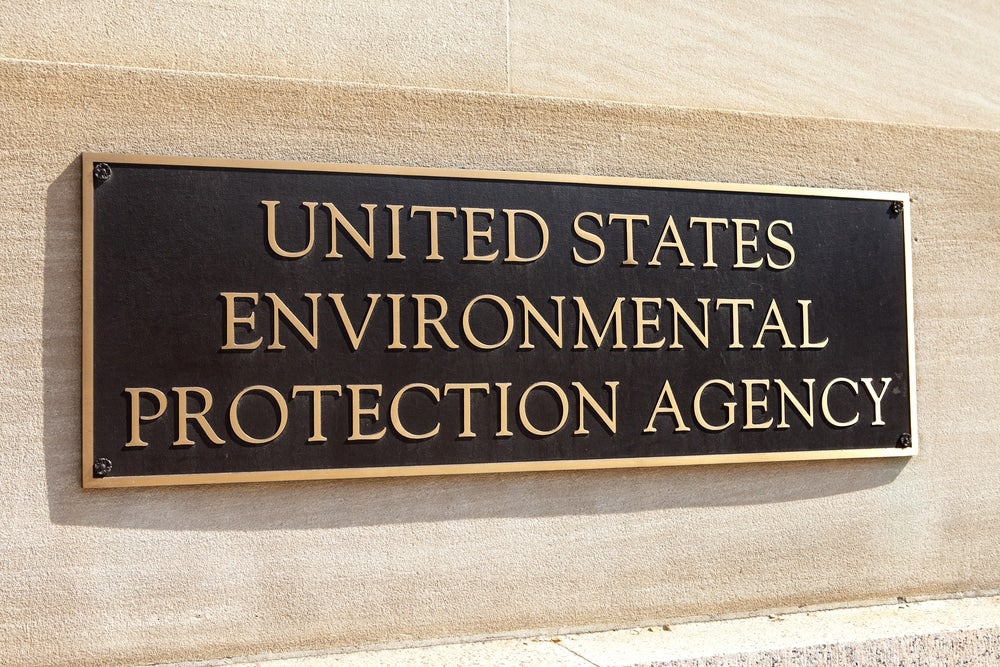
In a wave of orders on 12 March 2025, the Trump administration outlined aggressive plans to roll back dozens of the nation's most significant environmental regulations, including a scientific finding that serves as a key U.S. action to fight climate change.
The U.S. Environmental Protection Agency (EPA) declared the undertaking as “the biggest deregulatory action in U.S. history.”
Among the flurry of directives, EPA Administrator Lee Zeldin announced that the agency will update its enforcement policies stemming from the agency's National Enforcement and Compliance Initiatives (NECIs). The EPA claims that the revisions aim to reduce pollution enforcement at U.S. energy facilities and prohibit consideration of environmental justice in any agency action, according to a memo obtained by Politico.
NECIs are selected by the EPA every four years to focus resources on serious and widespread environmental problems, such as cleaner air and water quality, where federal enforcement can make the greatest difference. During the Biden-Harris administration, the EPA’s Office of Enforcement and Compliance Assurance (OECA) proposed six “priority areas” for the agency’s NECIs for the fiscal years 2024–2027, focusing on environmental justice, climate change mitigation, and per- and polyfluoroalkyl substances (PFAS) pollution, among other issues. The initiatives were finalized in August 2023.
“Each of these initiatives addresses urgent environmental and public health challenges that would be difficult for EPA and its state partners to tackle without additional resources and concerted effort,” said David Uhlmann, the former OECA assistant administrator, in a 2023 memo to the EPA regional administrators. “All of the initiatives incorporate environmental justice considerations to ensure that the benefits of our nation's environmental laws can be shared by everyone living in the United States.”
How Administration Might Change NECIs
It remains to be seen how exactly the EPA will follow up on the recent orders with future rulemaking and enforcement decisions. However, Zeldin said that the EPA will “immediately” revise NECIs to “not discriminate based on race and socioeconomic status or shut down energy production” while focusing its efforts on “the most pressing health and safety issues.”
“The Biden-Harris Administration paired burdensome, legally questionable regulations with unpredictable but punitive enforcement aimed at shutting down American energy and manufacturing and promoting so-called 'environmental justice.' By re-aligning enforcement with the law instead of activist goals, we can help deliver economic prosperity and energy security while ensuring compliance with sound regulations,” Zeldin claimed.
Larry Starfield, who served as the principal deputy assistant administrator for the OECA from 2011–2023, disagrees with the agency’s position. He said the EPA is contradicting the central idea behind the NECIs, which was to take into consideration communities that are “overburdened” with pollution.
“It’s not discriminatory, it's focusing on the problem,” Starfield told 3E. “I don't think any average American would disagree that if a person is living within a few hundred feet of a large industrial operation that they should get greater attention to that area than a community that doesn't … It's common sense and rational.”
Starfield added that EPA's proposed guidelines could lead to reduced enforcement effectiveness and an uneven playing field for compliant companies.
“I think we'll see less efforts to reduce the risk of industrial accidents and less action to protect communities from toxic air emissions,” Starfield said. “Industry is also going to have to deal with the fact that it's a 'whipsaw effect' - for four years you comply with the law, then for four years it's not as important.”
In addition to Zeldin's announcement, the EPA also plans to align its goals with President Trump's “Ensuring Lawful Governance” executive order, which directs federal agencies, including the EPA, to review ongoing enforcement actions and terminate those deemed non-compliant with “the Constitution, laws, or administration policy.”
31 Regulations Under Review
Experts note the moves signal a reevaluation of the country's climate agenda, which will likely continue to set the tone for the Trump administration's approach to NECIs and environmental initiatives over the next four years. The EPA recently announced it would “reconsider” 31 environmental regulations, including those related to climate change as 3E reported, from the automobile, oil, gas, and chemical industries.
“President Donald Trump and EPA Administrator Lee Zeldin have answered the calls of manufacturers across the country to rebalance and reconsider burdensome federal regulations harming America's ability to compete - including the previous administration's unworkable PM2.5 NAAQS rule,” said Jay Timmons, the National Association of Manufacturers (NAM) president and CEO.
However, several environmental groups, such as the Natural Resources Defense Council (NRDC), say the moves would undo decades of combatting pollution nationwide.
“With these actions, the Trump EPA is trying to take us back to the days when rivers caught fire, toxic chemicals forced families to abandon their homes, and acid rain ravaged our forests,” said NRDC Chief Policy Advocacy Officer Alexandra Adams in a statement. “This won't make America healthier or greater. It takes us backwards to a dirtier and sicker time of at least a generation ago.”
————————————–
Editor's Note: 3E is expanding news coverage to provide customers with insights into topics that enable a safer, more sustainable world by protecting people, safeguarding products, and helping businesses grow. Deep Dive articles, produced by reporters, feature interviews with subject matter experts and influencers as well as exclusive analysis provided by 3E researchers and consultants.


Insights straight to your inbox
Sign Up NowReporter
Cameron Goodnight
Cameron Goodnight is a Federal Regulatory Reporter for 3E based in the Washington, D.C. area. He covers the latest developments and updates in environmental, health, and safety (EHS) that impact the U.S. national level.

Related Resources
News
EU Omnibus Packages Part 5: Omnibus V – Simplifying EU Defense Regulation
News
EU Omnibus Packages Part 4: Omnibus IV — Product Regulation, Simplification, and Compliance
News
Athletes Disqualified at 2026 Winter Olympics Over PFAS
News
EU Omnibus Packages Part 3: Simplifying EU Agricultural Regulation